Many people spend most of their time indoors, whether at home, work, or school. While indoor environments may seem safe, the air inside can contain a surprising number of contaminants. Indoor pollutants and breathing difficulties are closely linked, with poor air quality often triggering or worsening respiratory symptoms. Understanding what causes these issues and how to address them is essential for maintaining a healthy living space.
From dust and mold to chemicals and pet dander, a variety of substances can accumulate in enclosed spaces. These contaminants may lead to symptoms such as coughing, sneezing, shortness of breath, or even chronic respiratory conditions. By learning about the sources of indoor air pollution and practical ways to reduce exposure, you can take meaningful steps to improve your well-being and comfort.
If you’re concerned about the impact of air quality on your health, you may also want to read about air filters and respiratory health for more detailed information on how filtration systems can help protect your lungs.
Main Sources of Indoor Air Contaminants
The air inside buildings can contain a mix of particles and gases that originate from both indoor and outdoor sources. Some of the most common contributors to indoor pollutants and breathing difficulties include:
- Dust and Dust Mites: Accumulate on surfaces, in carpets, and within HVAC systems. Dust mites thrive in humid environments and can trigger allergies and asthma.
- Mold and Mildew: Grow in damp areas such as bathrooms, basements, and around leaky windows. Mold spores are a frequent cause of respiratory irritation and can worsen existing lung conditions.
- Pet Dander: Tiny flakes of skin shed by cats, dogs, and other animals can become airborne and cause allergic reactions.
- Volatile Organic Compounds (VOCs): Emitted by cleaning products, paints, adhesives, and some furnishings. VOCs can cause headaches, dizziness, and breathing problems, especially in poorly ventilated areas.
- Tobacco Smoke: Contains thousands of chemicals, many of which are toxic or carcinogenic. Secondhand smoke is a major risk factor for respiratory illness.
- Cooking Fumes: Gas stoves, ovens, and even some electric appliances can release particles and gases that irritate the lungs.
- Pollen: Can enter through open windows and doors, especially during allergy season.
For those living in humid climates or with persistent moisture problems, issues like humid air and mold in ducts can further increase the risk of breathing difficulties.
How Indoor Air Quality Affects Breathing
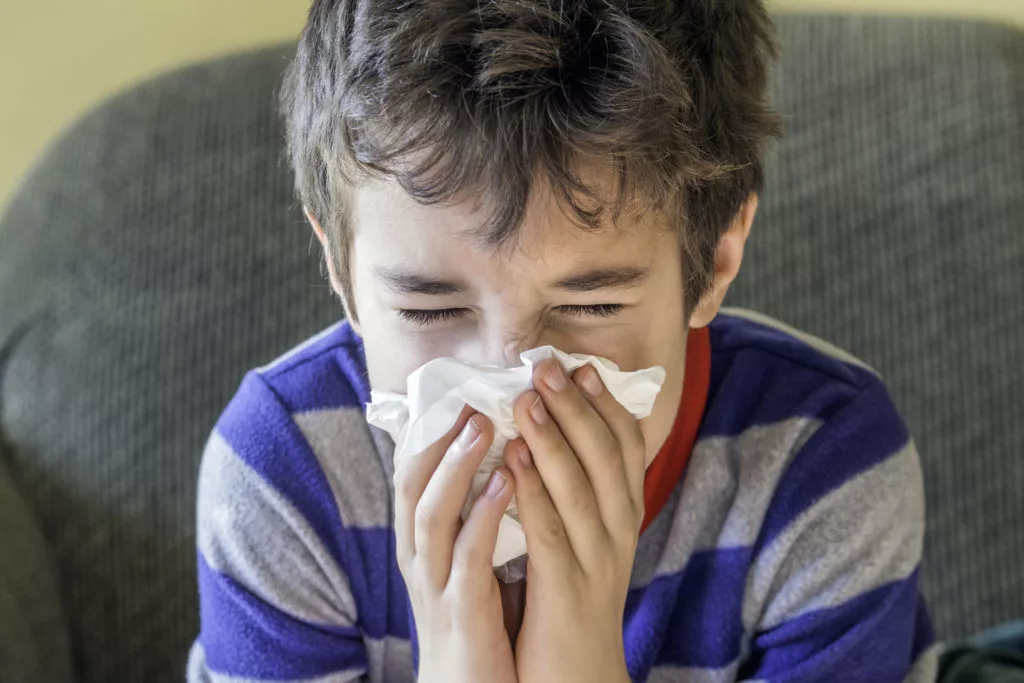
Exposure to airborne contaminants can have immediate and long-term effects on respiratory health. Short-term symptoms often include sneezing, coughing, watery eyes, and throat irritation. For individuals with asthma, allergies, or other lung conditions, poor air quality can trigger flare-ups or make symptoms worse.
Long-term exposure to indoor air pollution has been linked to chronic bronchitis, reduced lung function, and increased risk of respiratory infections. Children, older adults, and people with pre-existing health conditions are especially vulnerable.
Common Signs of Poor Indoor Air Quality
Recognizing the symptoms of exposure to indoor contaminants is the first step toward improving your environment. Some warning signs include:
- Frequent sneezing, coughing, or throat irritation
- Worsening asthma or allergy symptoms indoors
- Headaches, dizziness, or unexplained fatigue
- Visible mold growth or musty odors
- Increased dust accumulation on surfaces
- Respiratory infections that seem to persist or recur
For a more comprehensive list of symptoms and what they might mean, see this guide to signs you’re affected by poor indoor air quality.
Effective Solutions for Cleaner Indoor Air
Addressing indoor pollutants and breathing difficulties requires a combination of prevention, regular maintenance, and targeted interventions. Here are practical steps to create a healthier indoor environment:
Improve Ventilation
Allowing fresh air to circulate can help dilute and remove airborne contaminants. Open windows when weather permits, use exhaust fans in kitchens and bathrooms, and consider mechanical ventilation systems for spaces that lack natural airflow.
Control Humidity and Prevent Mold
Keeping indoor humidity between 30% and 50% discourages mold growth and dust mites. Use dehumidifiers in damp areas and promptly repair leaks. For persistent issues, anti-mold sprays and regular cleaning of HVAC components can be effective. If you suspect mold in your system, learn more about mold growth in HVAC units and how to address it.
Upgrade Air Filtration
High-efficiency particulate air (HEPA) filters and electrostatic filters can capture fine particles, including allergens and some bacteria. Replace filters according to manufacturer recommendations and consider portable air purifiers for rooms where you spend the most time. For more on this, see our article on dirty filters and breathing problems.
Reduce Chemical Exposure
Choose cleaning products, paints, and furnishings with low or no VOC content. Store chemicals in well-ventilated areas and use them sparingly. Always follow label instructions and ventilate the area during and after use.
Maintain HVAC and Ductwork
Regular inspection and cleaning of heating, ventilation, and air conditioning systems help prevent the buildup of dust, mold, and other pollutants. Professional duct cleaning can be especially beneficial for those with allergies or respiratory conditions. For tips on keeping vents clean, check out vent cleaning for sinus health.

Prevention Tips for Sensitive Individuals
People with asthma, allergies, or other respiratory conditions should take extra precautions to minimize exposure to indoor contaminants:
- Keep pets out of bedrooms and off upholstered furniture
- Wash bedding and curtains regularly in hot water
- Use allergen-proof mattress and pillow covers
- Vacuum with a HEPA filter-equipped vacuum cleaner
- Avoid smoking indoors and ask guests to do the same
- Monitor pollen and outdoor air quality reports, keeping windows closed during high pollen days
Frequently Asked Questions
What are the most common indoor pollutants that cause breathing issues?
The most frequent culprits include dust mites, mold spores, pet dander, tobacco smoke, VOCs from household products, and cooking fumes. These substances can trigger or worsen respiratory symptoms, especially in sensitive individuals.
How can I tell if my home’s air quality is affecting my health?
Symptoms such as persistent coughing, sneezing, headaches, or worsening asthma indoors may indicate poor air quality. If these symptoms improve when you leave the building, indoor pollution is likely a factor.
What is the best way to reduce indoor air pollution?
Improving ventilation, controlling humidity, using high-quality air filters, and reducing the use of chemical products are all effective strategies. Regular cleaning and maintenance of HVAC systems also play a crucial role.
Are air purifiers effective for allergies and asthma?
Yes, HEPA air purifiers can capture many common allergens and irritants, helping to reduce symptoms for people with allergies or asthma. However, they work best when combined with other preventive measures.
Addressing indoor pollutants and breathing difficulties is an ongoing process. By staying informed and proactive, you can create a safer, more comfortable environment for yourself and your loved ones.