Clean indoor air is essential for maintaining a healthy home or workplace. Many people focus on visible surfaces when cleaning, but often overlook the hidden pathways that circulate air throughout a building—namely, the ductwork. The importance of air duct sanitation goes far beyond dust removal; it directly impacts respiratory wellness, allergy prevention, and overall comfort. Understanding why regular duct cleaning matters can help you make informed decisions about your indoor environment and your family’s well-being.
Air ducts can harbor dust, pollen, mold spores, bacteria, and other contaminants. Over time, these particles accumulate and are distributed throughout your living spaces every time the HVAC system runs. This guide explores why keeping your air ducts clean is vital, what risks are involved with neglected systems, and how to maintain optimal air quality.
If you’ve ever struggled with persistent allergies or unexplained respiratory symptoms, your ductwork may be a contributing factor. For more on how duct conditions can affect your health, see our article on air filters and respiratory health.
Why Clean Air Ducts Matter for Indoor Air Quality
The air inside your home or office is recirculated through the HVAC system multiple times a day. If the ductwork is contaminated, these pollutants are repeatedly introduced into the air you breathe. The importance of air duct sanitation is especially pronounced for individuals with allergies, asthma, or other respiratory conditions. Even healthy individuals can experience symptoms like headaches, fatigue, or sinus irritation when exposed to poor air quality.
- Allergen Control: Dust mites, pollen, and pet dander can accumulate in ducts and trigger allergic reactions.
- Mold Prevention: Moisture in ducts creates an ideal environment for mold growth, which can release spores into the air.
- Odor Reduction: Bacteria and debris in ductwork can cause unpleasant smells throughout your home.
- Improved HVAC Efficiency: Clean ducts allow air to flow freely, reducing strain on your system and lowering energy costs.
Health Risks Linked to Poor Duct Hygiene
When ductwork is neglected, it can become a breeding ground for harmful microorganisms. Mold, bacteria, and even viruses can thrive in dark, damp environments. As the HVAC system circulates air, these contaminants are distributed throughout your living spaces, potentially causing or worsening health issues.
Common symptoms associated with dirty air ducts include:
- Chronic coughing or sneezing
- Worsening of asthma or allergy symptoms
- Frequent headaches or dizziness
- Sinus congestion and irritation
- Unexplained fatigue
For a deeper dive into the connection between duct conditions and sinus problems, consider reading about vent cleaning for sinus health.
Recognizing Signs That Your Ducts Need Cleaning
It’s not always obvious when your ductwork needs attention. However, there are some clear indicators that sanitation is overdue:
- Visible dust buildup around vents or registers
- Musty or stale odors when the HVAC runs
- Increased allergy or respiratory symptoms among occupants
- Mold growth visible inside ducts or on vent covers
- Recent renovations or construction work that generated dust
If you notice any of these signs, scheduling a professional cleaning can help restore healthy air circulation. For more on how humidity and mold interact within ductwork, see our guide on humid air and mold in ducts.
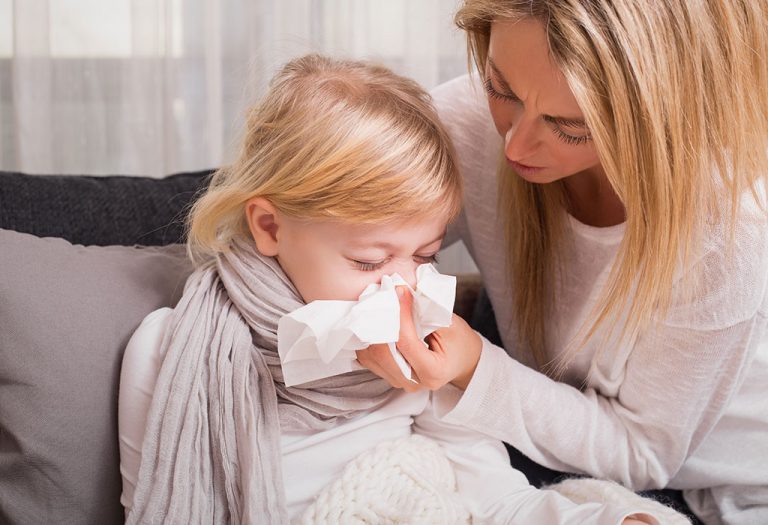
How to Maintain Sanitary Air Ducts
Keeping your ductwork clean requires a combination of regular maintenance and proactive measures. Here are some practical steps to ensure your air remains healthy:
- Replace or Upgrade Air Filters: Use high-efficiency filters, such as HEPA or electrostatic models, and change them according to manufacturer recommendations. For more on this, see our resource on dirty filters and breathing problems.
- Schedule Routine Inspections: Have your HVAC system and ductwork checked annually by professionals. They can spot early signs of contamination or damage.
- Control Moisture: Address leaks and ensure proper insulation to prevent condensation and mold growth.
- Use Air Purifiers: Devices with HEPA filters can help trap airborne particles before they enter the duct system.
- Clean Vents and Registers: Wipe down vent covers regularly to minimize dust recirculation.
- Consider Anti-Mold Treatments: Specialized sprays can inhibit fungal growth inside ducts.
Common Contaminants Found in Ductwork
Understanding what can accumulate in your duct system helps highlight the importance of air duct sanitation. Here are some of the most frequent offenders:
- Dust and Debris: Everyday particles from skin cells, fabric fibers, and tracked-in dirt.
- Mold and Mildew: Thrive in damp conditions, releasing spores that can trigger allergies and respiratory issues.
- Bacteria and Viruses: Can multiply in dirty ducts, especially if moisture is present.
- Pollen: Enters through open windows or doors and settles in ductwork.
- Pest Droppings: Rodents or insects may nest in ducts, leaving behind waste that contaminates the air.
For more information on identifying and preventing microbial growth, check out our article on mold growth in HVAC units.
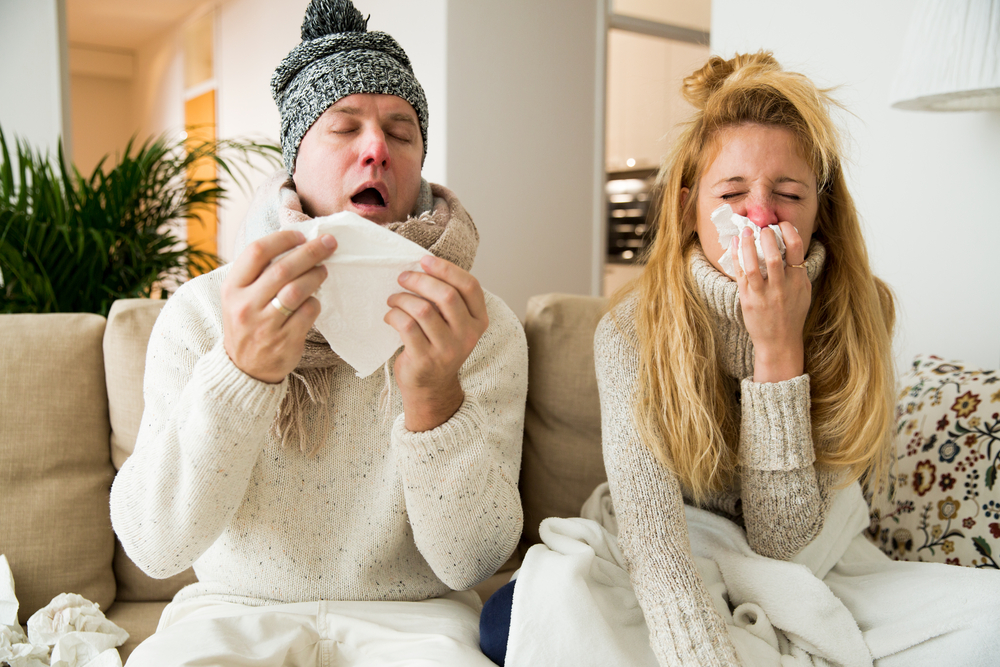
When to Call a Professional for Duct Cleaning
While routine filter changes and vent cleaning can be handled by most homeowners, some situations require expert intervention. You should consider hiring a professional if:
- You notice visible mold inside ducts or on HVAC components
- There are signs of rodent or insect infestation
- Persistent odors linger despite cleaning efforts
- Dust and debris are visible blowing from vents
- Family members experience ongoing respiratory issues
Certified technicians use specialized equipment to thoroughly clean and sanitize ductwork, ensuring contaminants are removed and not simply redistributed. For more warning signs of indoor air quality problems, see this comprehensive list of poor indoor air quality indicators.
FAQ About Air Duct Sanitation
How often should air ducts be cleaned?
Most experts recommend professional duct cleaning every three to five years. However, homes with pets, smokers, or residents with allergies may benefit from more frequent service.
Can dirty air ducts make you sick?
Yes, contaminated ductwork can circulate allergens, mold spores, and bacteria, potentially causing or worsening respiratory symptoms, allergies, and other health issues.
What are the best ways to prevent mold in air ducts?
Keep humidity levels low, fix leaks promptly, use high-quality air filters, and consider anti-mold treatments. Regular inspections and maintenance are key to prevention.
Are chemical treatments safe for duct sanitation?
When applied by professionals, EPA-approved products are generally safe. Always ask about the products used and ensure proper ventilation after treatment.