Maintaining a healthy and efficient HVAC system is essential for indoor air quality and energy savings. Over time, air ducts can accumulate dust, debris, mold, and even pests, all of which can impact system performance and occupant health. Traditional inspection methods often miss hidden issues deep within ductwork. That’s where a HVAC duct camera inspection guide becomes invaluable, providing a clear, inside look at the condition of your ducts and enabling precise diagnostics.
This article explores the fundamentals of duct camera inspections, their benefits, the process involved, and how they contribute to a cleaner, safer indoor environment. For those interested in comprehensive duct care, our duct system hygiene guide offers additional insights into keeping your air clean and safe.
Understanding Duct Camera Technology
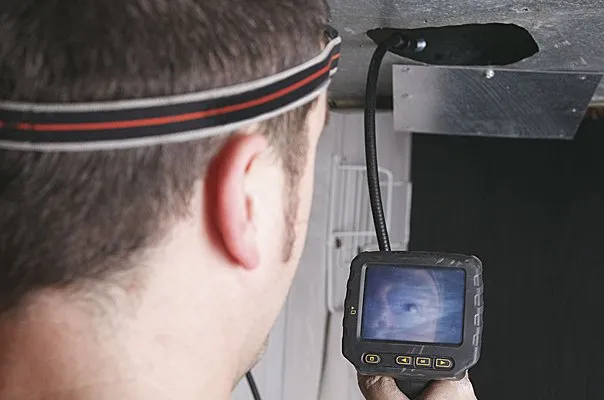
Modern duct camera inspection systems use specialized cameras mounted on flexible cables. These devices are designed to navigate the twists and turns of residential and commercial ductwork, capturing high-resolution video and images. The footage is transmitted in real time to a monitor, allowing technicians to spot blockages, leaks, microbial growth, or damage that would otherwise be invisible.
The technology has advanced significantly in recent years. Many cameras now feature LED lighting for clear visibility, pan-and-tilt capabilities for thorough coverage, and even the ability to record and save inspection data for documentation or further analysis.
Key Benefits of Camera-Based Duct Inspections
Relying on visual inspection alone often misses hidden problems within ductwork. Using a camera inspection guide for HVAC ducts offers several advantages:
- Accurate Problem Detection: Cameras reveal blockages, leaks, pest infestations, and mold growth that are otherwise undetectable.
- Targeted Cleaning and Repairs: Technicians can pinpoint exactly where cleaning or repairs are needed, saving time and reducing unnecessary work.
- Improved Air Quality: Identifying sources of dust, allergens, or mold helps maintain a healthier indoor environment.
- Documentation: Recorded footage provides proof of issues and completed work, useful for homeowners, property managers, and insurance claims.
- Cost Efficiency: Early detection of minor issues prevents costly repairs down the line.
For a deeper understanding of how duct cleanliness impacts well-being, see our resource on HVAC maintenance and health benefits.
Step-by-Step Process: How Duct Camera Inspections Work
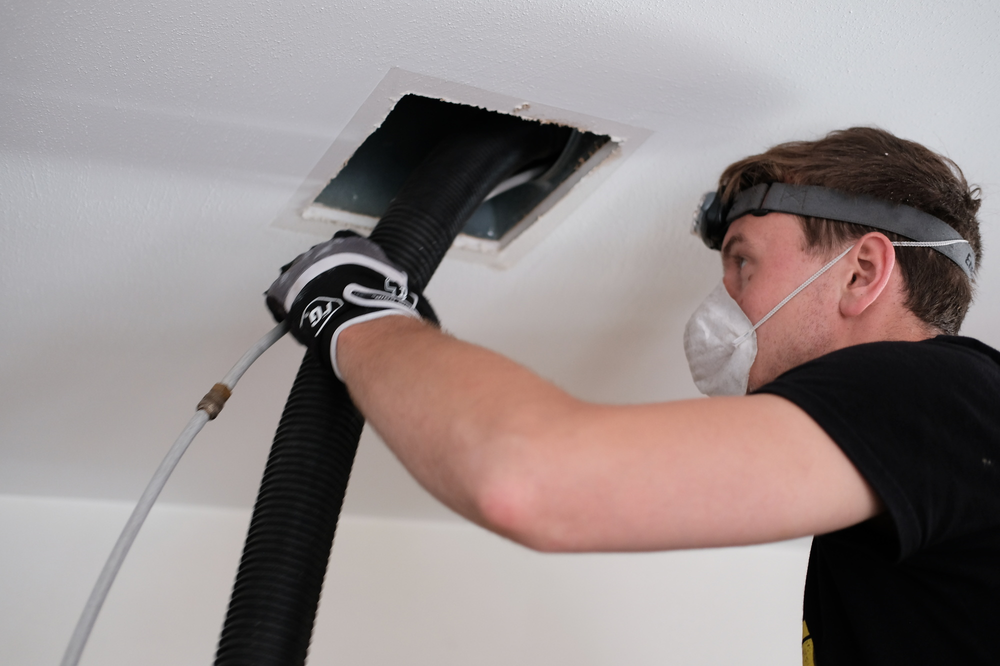
The process of inspecting air ducts with a camera is systematic and minimally invasive. Here’s how professionals typically conduct these evaluations:
- Initial Assessment: The technician reviews the HVAC layout and identifies access points for the camera.
- Camera Insertion: A flexible camera is inserted into the ductwork, often through existing vents or service openings.
- Real-Time Exploration: As the camera moves through the ducts, live video is displayed on a monitor. The technician looks for obstructions, damage, or signs of contamination.
- Documentation: Images or video clips are recorded for later review or to share with the property owner.
- Reporting and Recommendations: After the inspection, the technician provides a detailed report, including findings and suggested next steps such as cleaning, sealing, or repairs.
Common Issues Detected During Duct Camera Inspections
A thorough HVAC duct camera inspection can uncover a range of problems that affect both system performance and indoor air quality:
- Dust and Debris Accumulation: Excessive buildup restricts airflow and can trigger allergies.
- Mold Growth: Moisture in ducts creates a breeding ground for mold, which can be harmful to health.
- Pest Infestations: Rodents, insects, or birds sometimes nest in ductwork, leaving behind droppings and debris.
- Physical Damage: Cracks, holes, or disconnected sections lead to air leaks and energy loss.
- Obstructions: Construction debris or foreign objects can block airflow, reducing system efficiency.
If you suspect mold or experience unexplained health symptoms at home, our article on symptoms of mold exposure in home provides helpful warning signs to watch for.
When Should You Schedule a Duct Camera Inspection?
While routine maintenance is important, certain situations call for a professional inspection using a camera:
- After renovations or construction work that may have introduced debris into the ducts
- If you notice persistent dust, musty odors, or allergy symptoms
- When buying or selling a property to assess duct condition
- Following pest infestations or water damage
- As part of regular HVAC maintenance, especially for older systems
For homeowners interested in DIY maintenance, our guide to cleaning vents safely offers practical tips for routine care between professional inspections.
Choosing a Qualified Inspection Service
Not all service providers use the same equipment or follow best practices. When selecting a company for duct camera inspections, consider the following:
- Experience and Training: Look for technicians certified in HVAC diagnostics and familiar with camera technology.
- Equipment Quality: Advanced cameras with recording and lighting capabilities yield better results.
- Transparent Reporting: Choose companies that provide clear, detailed reports with visual evidence.
- Reputation: Check reviews and ask for references to ensure reliability and professionalism.
For a comprehensive overview of the technology and its applications, the detailed guide to duct inspection cameras offers further reading.
Integrating Camera Inspections Into Regular HVAC Care
Incorporating camera-based inspections into your HVAC maintenance routine helps prevent small issues from becoming major problems. Combined with filter changes and routine cleaning, this approach ensures optimal airflow, energy efficiency, and indoor air quality.
For more on maintaining a dust-free home, our article on air filters and dust reduction shares best practices for keeping your system and living spaces cleaner.
Frequently Asked Questions
What is the main advantage of using a camera for duct inspections?
The primary benefit is the ability to visually confirm the condition of ductwork, identifying hidden issues such as blockages, leaks, or mold that are not detectable through standard inspection methods. This leads to more accurate diagnostics and targeted solutions.
How often should I have my ducts inspected with a camera?
For most homes, a camera inspection every 3–5 years is sufficient, unless you notice specific problems like persistent dust, odors, or recent water damage. Commercial properties or homes with pets, allergies, or recent renovations may require more frequent checks.
Can I perform a duct camera inspection myself?
While consumer-grade duct cameras are available, professional-grade equipment and expertise yield more reliable results. A trained technician can interpret findings accurately and recommend appropriate actions, ensuring your system remains efficient and safe.