In today’s fast-paced world, ensuring employee well-being is crucial for both productivity and morale. A significant part of this well-being involves mitigating allergies, which can adversely affect the workplace environment. Employers must recognize their role in implementing strategies on how businesses can reduce employee allergies, to create a healthier workspace.
Understanding Workplace Allergies
Workplace allergies can arise from various sourcesranging from indoor air quality to materials used in office supplies. Common allergens include dust, mold, and chemical agents. Understanding these triggers is the first step in addressing allergy concerns.
Importance of Clean Air Systems
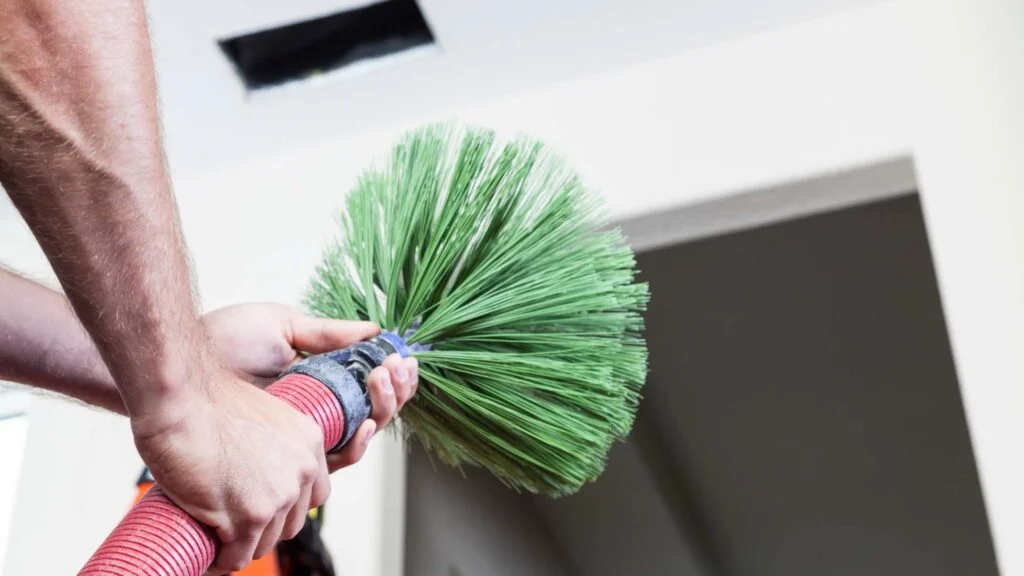
One pivotal area to consider is the cleanliness of air systems. Dirty ducts can harbor allergens. To combat this, businesses can schedule regular duct cleaning. This practice not only alleviates allergens but also enhances overall air circulation.
Regular Maintenance and Inspection
Alongside cleaning, regular inspection of HVAC systems is necessary. Identifying and repairing leaks or blockages prevent the spread of allergens throughout the office.
Investing in Air Purifiers
Air purifiers with HEPA filters are effective in trapping airborne allergens. Placing these strategically in common areas can significantly reduce allergy symptoms among employees.
Implementing a Clean Desk Policy
A tidy desk not only promotes efficiency but also reduces dust accumulationa common allergen. Encourage employees to maintain an uncluttered workspace to minimize exposure.
Using Hypoallergenic Cleaning Products
Traditional cleaning products often contain harsh chemicals that can trigger allergies. Implementing hypoallergenic alternatives can be a game changer in maintaining a safe environment for all employees.
Training and Awareness
Providing training sessions focused on allergy management helps in empowering employees. They learn to identify potential allergens and understand best practices in avoiding such exposure.
Employee Feedback and Surveys
Regularly soliciting feedback through surveys allows management to address specific allergy concerns. This proactive approach ensures that employees feel heard and that solutions are tailored to meet their needs.
Encouraging Remote Work
For employees with severe allergies, remote work options can be a beneficial alternative. This flexibility allows them to maintain productivity without compromising health.
Educating on Personal Health Practices
Encouraging employees to adopt personal health practicessuch as frequent hand washingreduces the spread of allergens. A simple yet effective measure in ensuring everyone’s well-being.
Collaborating with Allergy Specialists
Working with healthcare professionals can provide businesses with targeted strategies on minimizing workplace allergens. Their expertise is invaluable in crafting effective allergy management plans.
Developing Emergency Protocols
Having protocols in place for severe allergic reactions ensures that employees receive prompt medical attention. Quick response not only safeguards health but also displays an employer’s commitment to employee safety.
The Role of Duct Cleaning in Allergy Reduction
Regular duct cleaning plays a pivotal role in reducing allergens. Clean ducts ensure a steady flow of pure air, indispensable for maintaining a healthy workplace.
For more insights on the importance of clean air, explore how duct cleaning works and its benefits for office spaces.
Conclusion
The health and safety of employees should be a priority for every business. Implementing measures to reduce allergies not only promotes well-being but also enhances productivity and morale. By understanding and acting on how businesses can reduce employee allergies effectively, organizations pave the way for a healthier future.

FAQ
Q1: What are common workplace allergens?
A1: Common allergens include dust, mold, pollen, and chemical agents found in cleaning supplies.
Q2: How does duct cleaning help with allergies?
A2: Duct cleaning removes dust and allergens from air systems, improving air quality significantly.
Q3: Can air purifiers help reduce allergies in the office?
A3: Yes, air purifiers with HEPA filters effectively trap allergens, making the workspace safer for employees.
This article contains affiliate links. We may earn a commission at no extra cost to you.