Everyday living spaces can harbor invisible threats, and one of the most overlooked is household dust. While it may seem harmless, the effects of dust exposure in home environments can be significant, impacting both short-term comfort and long-term health. Dust is a complex mixture of particles, including dead skin cells, fabric fibers, pollen, mold spores, and even microscopic pests. Understanding how these particles affect your well-being is essential for maintaining a healthy indoor environment.
Many people notice sneezing or mild irritation when cleaning or spending time indoors, but the risks go beyond minor discomfort. Prolonged contact with dust can trigger allergies, worsen respiratory problems, and contribute to chronic health conditions. This article explores the real dangers associated with dust, how to recognize symptoms, and practical steps to reduce exposure in your home.
If you’re concerned about indoor air quality, it’s also important to consider related issues such as humid air and mold in ducts, which can further complicate respiratory health and make dust problems worse.
Understanding Household Dust and Its Components
Dust in homes is more than just a nuisance. It is a mixture of organic and inorganic materials that accumulate on surfaces, in carpets, and within air ducts. Common components include:
- Dead skin cells and hair
- Textile fibers from clothing and furniture
- Pollen and plant debris
- Mold spores and bacteria
- Pet dander and dust mite droppings
- Soil and outdoor particles brought in on shoes
These particles can become airborne, especially when disturbed by movement, vacuuming, or HVAC systems. The effects of dust exposure in home settings are often underestimated, but the presence of allergens and irritants in dust can have a profound impact on sensitive individuals.
Health Risks Linked to Indoor Dust
Exposure to dust can lead to a variety of health issues. While some people may only experience mild symptoms, others—especially children, the elderly, and those with pre-existing conditions—can suffer more severe consequences.
Allergic Reactions and Respiratory Symptoms
One of the most common outcomes of dust exposure is the development or worsening of allergies. Dust mites, pet dander, and mold spores are potent allergens. Symptoms may include:
- Frequent sneezing and nasal congestion
- Watery or itchy eyes
- Persistent cough or throat irritation
- Wheezing or shortness of breath
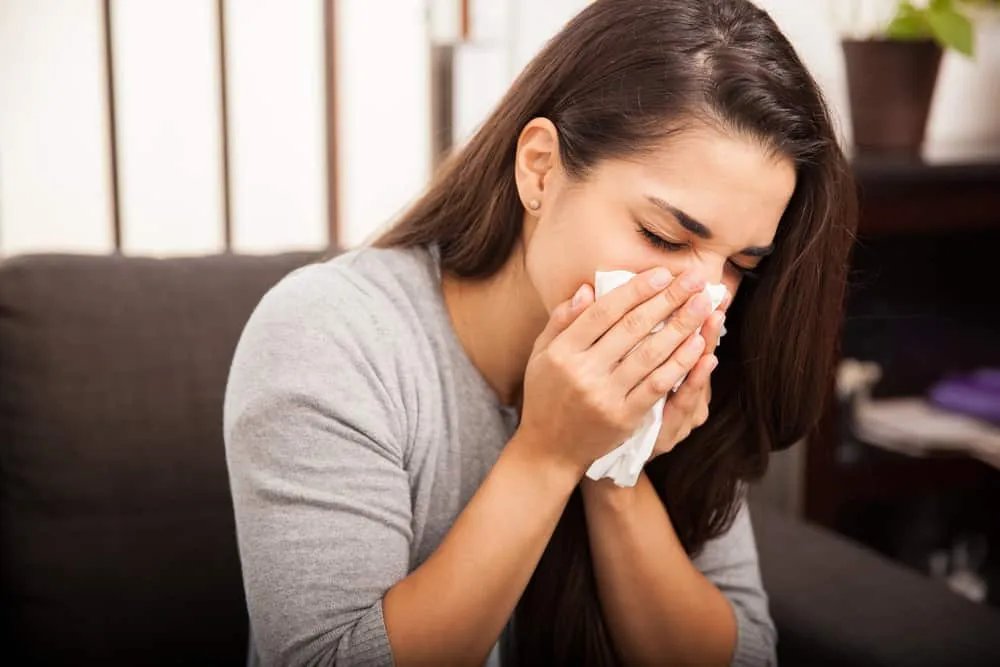
Those with asthma or chronic respiratory conditions are particularly vulnerable. Dust can trigger asthma attacks and make breathing more difficult. For more on how air quality affects breathing, see air filters and respiratory health.
Long-Term Effects of Chronic Exposure
Continuous exposure to dust, especially in poorly ventilated homes, can lead to more serious health problems. Over time, inhaling fine particles may contribute to:
- Development of chronic bronchitis or other lung diseases
- Increased risk of respiratory infections
- Aggravation of cardiovascular issues
- Reduced lung function in children and older adults
The effects of dust exposure in home environments are not limited to allergies. Fine dust particles can penetrate deep into the lungs, causing inflammation and potentially leading to long-term respiratory complications.
Other Health Concerns: Skin and Eye Irritation
Besides respiratory symptoms, dust can cause skin rashes, eczema flare-ups, and eye irritation. Sensitive individuals may notice redness, itching, or swelling after cleaning or spending time in dusty rooms.
Recognizing Signs of Poor Indoor Air Quality
It’s not always obvious when dust is affecting your health. Some warning signs of poor air quality in your home include:
- Frequent headaches or fatigue
- Worsening allergy or asthma symptoms indoors
- Visible dust buildup on surfaces and vents
- Musty odors or signs of mold growth
For a more detailed overview of symptoms and solutions, visit this guide to signs you have poor indoor air quality.
Reducing Dust and Improving Indoor Air
Minimizing the effects of dust exposure in home settings involves a combination of cleaning habits, air filtration, and moisture control. Here are practical steps to help reduce dust and protect your health:
- Regular Cleaning: Dust and vacuum all surfaces, including carpets, upholstery, and curtains, at least once a week. Use a vacuum with a HEPA filter to trap fine particles.
- Air Filtration: Install high-quality air filters in your HVAC system and replace them regularly. Consider using portable HEPA air purifiers in bedrooms and living areas.
- Control Humidity: Keep indoor humidity between 30–50% to discourage dust mites and mold. Dehumidifiers and proper ventilation can help.
- Reduce Clutter: Fewer objects mean fewer surfaces for dust to settle on. Store items in closed containers where possible.
- Address Mold and Moisture: Repair leaks promptly and clean any visible mold. For more information, see mold growth in HVAC units.
- Wash Bedding Frequently: Dust mites thrive in bedding. Wash sheets and pillowcases in hot water weekly.
Regular maintenance of your HVAC system is also crucial. Dirty vents and filters can circulate dust throughout your home. For tips on keeping your system clean, refer to vent cleaning for sinus health and dirty filters and breathing problems.
FAQ: Common Questions About Dust Exposure at Home
What are the most common symptoms of dust allergies?
Typical symptoms include sneezing, runny or stuffy nose, itchy eyes, coughing, and sometimes skin rashes. People with asthma may also experience wheezing or difficulty breathing when exposed to dust.
How often should I change my air filters to reduce dust?
It’s recommended to check and replace air filters every 1–3 months, depending on the type of filter, the presence of pets, and the overall dust levels in your home. High-efficiency filters may last longer but should still be inspected regularly.
Can dust exposure cause long-term health problems?
Yes, chronic exposure to household dust can contribute to persistent respiratory issues, aggravate asthma, and increase the risk of developing bronchitis or other lung conditions. Vulnerable groups such as children, seniors, and those with compromised immune systems are at higher risk.
Are air purifiers effective against dust?
Air purifiers with HEPA filters are highly effective at capturing dust particles and allergens from the air. They can significantly improve indoor air quality, especially when combined with regular cleaning and proper ventilation.
By understanding the risks and taking proactive steps, you can reduce the impact of dust in your living space and promote a healthier home for everyone.