Keeping your living space free from excessive dust is not just about appearances—it’s essential for maintaining healthy indoor air quality and reducing allergy triggers. Many households struggle with dust buildup, which can come from outdoor sources, pet dander, textiles, and even HVAC systems. Fortunately, there are practical and effective dust reduction methods for homes that can make a noticeable difference in your comfort and well-being.
This guide outlines straightforward steps to minimize dust, from cleaning routines to air filtration upgrades. If you’ve noticed an increase in sneezing, itchy eyes, or visible dust settling on surfaces, you’re not alone. Addressing these issues early can help prevent more serious problems, such as respiratory irritation or the spread of allergens.
For those experiencing persistent dust after running their HVAC, you may find it helpful to read about dust in house after HVAC use, which explains common causes and solutions specific to forced-air systems.
Why Reducing Dust Matters for Indoor Health
Dust is more than just a nuisance—it can contain a mix of pollen, mold spores, fibers, and microscopic pests. When inhaled, these particles may trigger allergies, worsen asthma, and contribute to poor indoor air quality. According to experts on indoor air quality symptoms, common signs of poor air include headaches, fatigue, and respiratory discomfort.
By implementing reliable dust reduction methods for homes, you can help protect your family’s health, extend the life of your furnishings, and keep your environment more comfortable year-round.
Effective Cleaning Habits to Minimize Dust
Consistent cleaning is the foundation of a dust-free home. Here are some practical steps:
- Vacuum with a HEPA filter: Standard vacuums may recirculate fine particles. Using a vacuum equipped with a HEPA filter traps dust and allergens more effectively.
- Damp dusting: Instead of dry dusting, use a damp microfiber cloth to capture dust instead of spreading it into the air.
- Wash bedding weekly: Sheets, pillowcases, and blankets collect skin flakes and fibers. Washing them in hot water removes dust mites and debris.
- Declutter surfaces: Fewer items on shelves and tables means fewer places for dust to settle, making cleaning quicker and more thorough.
- Clean floors regularly: Hard floors should be swept and mopped, while carpets benefit from deep cleaning every few months.

Upgrading Air Filtration and Ventilation
Improving your home’s air filtration is one of the most effective dust reduction methods for homes. Consider these upgrades:
- Install HEPA air purifiers: Portable HEPA units can capture fine dust, pollen, and pet dander in bedrooms and living areas.
- Upgrade HVAC filters: Replace standard HVAC filters with high-efficiency pleated or electrostatic filters. These trap smaller particles and reduce recirculation of dust.
- Maintain air ducts: Dirty ducts can distribute dust throughout your home. Learn more about why clean ducts matter for health and how regular maintenance supports cleaner air.
- Increase ventilation: Open windows when outdoor air quality is good, or use exhaust fans in kitchens and bathrooms to remove airborne particles.
Managing Sources of Dust Indoors
Preventing dust from entering and accumulating is just as important as cleaning. Here are some strategies:
- Use doormats and remove shoes: Place mats at entryways and encourage family members and guests to leave shoes at the door to reduce dirt and dust tracked inside.
- Control humidity: Keeping humidity between 30–50% discourages dust mites and mold growth. Use a dehumidifier if needed.
- Groom pets regularly: Brushing pets outdoors and washing them as needed reduces the amount of dander and fur in your home.
- Seal windows and doors: Weatherstripping and caulking help prevent outdoor dust from seeping inside.
Special Considerations for Allergy Sufferers
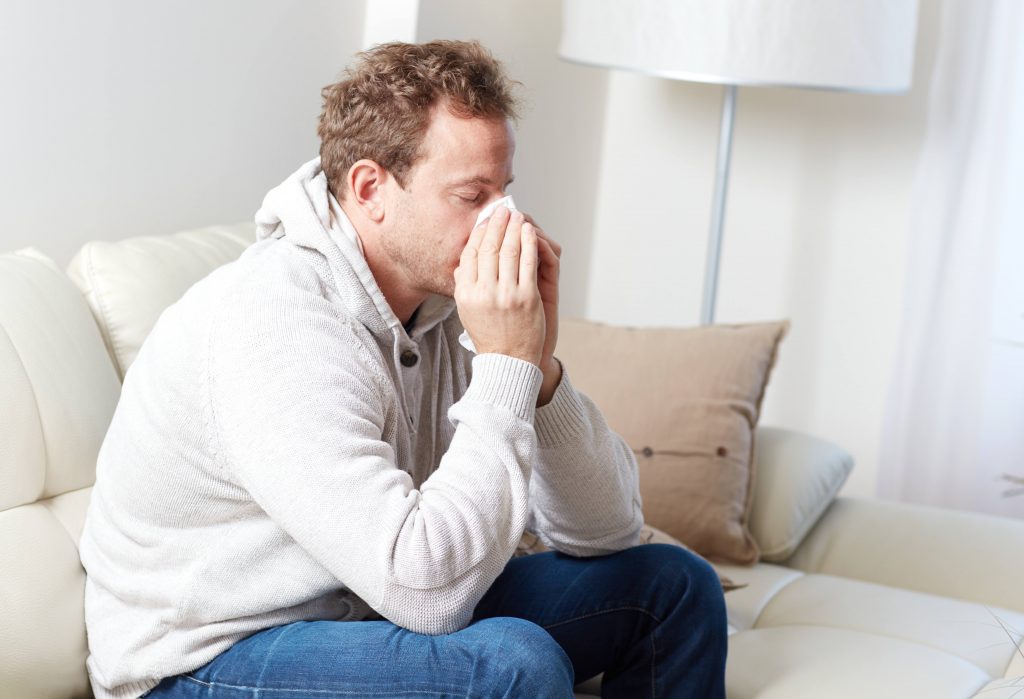
For those with allergies or respiratory sensitivities, extra precautions can make a significant difference. Choose washable curtains, avoid heavy drapes and carpets, and opt for hypoallergenic bedding. Regularly check for mold in damp areas, and consider using anti-mold sprays in HVAC systems. For more details on identifying and addressing mold, see this guide on how to test air ducts for mold.
If you notice sinus issues or recurring respiratory symptoms, it may be helpful to explore the relationship between your HVAC system and sinus infections.
Maintaining Airflow and Circulation
Proper airflow helps prevent dust from settling and accumulating in corners or on surfaces. Make sure air vents are unobstructed and ceiling fans are cleaned regularly. If you have concerns about how air moves through your home, review these solutions for home air circulation problems.
Frequently Asked Questions
How often should HVAC filters be changed to reduce dust?
For most households, replacing or cleaning HVAC filters every 1–3 months is recommended. Homes with pets, allergies, or high dust levels may benefit from more frequent changes, especially when using high-efficiency filters.
What are the best cleaning tools for trapping dust?
Microfiber cloths and mops are highly effective at capturing dust without scattering it. Vacuums with HEPA filters and sealed systems are also excellent for removing fine particles from carpets and hard floors.
Can air purifiers really help with dust control?
Yes, air purifiers equipped with HEPA filters can significantly reduce airborne dust, pollen, and dander. They are especially useful in bedrooms and living spaces where people spend the most time.
Is it necessary to clean air ducts to control dust?
While not always required, cleaning air ducts can help if you notice visible dust blowing from vents or if your home has undergone renovations. Regular maintenance and filter changes are usually sufficient for most homes.
How can I tell if my indoor air quality is poor due to dust?
Common signs include increased allergy symptoms, visible dust buildup, and musty odors. For more information, refer to symptoms of poor indoor air quality.
By following these practical dust reduction methods for homes, you can create a cleaner, healthier, and more comfortable environment for everyone in your household.