The air inside our homes and workplaces can often contain more pollutants than the air outdoors. One of the most overlooked contributors to indoor air pollution is the accumulation of dust in HVAC system and lungs can be directly affected by the particles circulating through these systems. Over time, dust, pollen, pet dander, mold spores, and other contaminants build up in ductwork and filters, entering the air you breathe every day.
Understanding how dust in your heating, ventilation, and air conditioning system impacts respiratory health is crucial for anyone concerned about allergies, asthma, or general well-being. This article explores how dust travels through HVAC systems, what it means for your lungs, and practical steps to minimize exposure. For those interested in broader indoor air quality concerns, you may also want to read about signs of poor indoor air quality that shouldn’t be ignored.
How Dust Accumulates in HVAC Systems
HVAC systems are designed to circulate air throughout a building, providing heating and cooling as needed. However, as air moves through the system, it picks up dust and other particles from the environment. These particles can settle in ductwork, filters, coils, and vents. Over time, the buildup becomes significant, especially if filters are not changed regularly or ducts are not cleaned.
When the system turns on, it can redistribute this accumulated dust back into the living spaces. This cycle increases the concentration of airborne particles, which are then inhaled by occupants. The issue is particularly pronounced in homes with pets, smokers, or recent renovations, as these factors introduce even more particulate matter into the air.
Impact of Dust on Respiratory Health
The presence of dust in HVAC system and lungs are closely linked, as the fine particles can easily be inhaled deep into the respiratory tract. For many people, this exposure leads to mild symptoms like sneezing, coughing, or watery eyes. However, for those with allergies, asthma, or other respiratory conditions, the effects can be much more severe.
Dust particles often contain allergens such as pollen, mold spores, and pet dander. When inhaled, these can trigger immune responses, leading to inflammation of the airways. Over time, chronic exposure may worsen existing conditions or even contribute to the development of new respiratory problems. For more information on related health issues, see our article on respiratory issues from dirty air ducts.
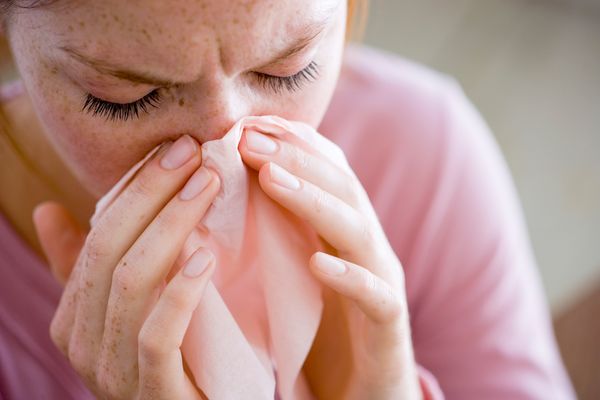
Common Symptoms Linked to Dust Exposure
Exposure to airborne dust from HVAC systems can cause a range of symptoms, which may vary depending on an individual’s sensitivity. Some of the most common health effects include:
- Allergic reactions: Sneezing, runny nose, itchy eyes, and skin rashes.
- Asthma flare-ups: Wheezing, shortness of breath, chest tightness, and coughing.
- Sinus irritation: Congestion, headaches, and postnasal drip. For more on this topic, see our guide on sinus irritation from vents.
- Respiratory infections: Increased risk of bronchitis or pneumonia, especially in vulnerable populations.
- Fatigue and difficulty concentrating: Poor air quality can affect cognitive function and overall comfort.
If you notice these symptoms worsening at home or work, it may be time to investigate your HVAC system as a possible source. Persistent issues could also be a sign of can air ducts cause breathing problems in your environment.
How Dust Travels from Ducts to Your Lungs
The pathway from dust accumulation in your HVAC system to your respiratory system is straightforward. As the system operates, air flows through ducts, picking up loose particles. These particles are then distributed through vents into rooms, where they remain suspended in the air or settle on surfaces. When you breathe, especially during periods of high system use, you inhale these particles.
The size of dust particles determines how deeply they can penetrate your lungs. Larger particles may be trapped in the nose or throat, but smaller ones (such as PM2.5) can reach the deepest parts of the lungs, where they may cause inflammation or even enter the bloodstream. This is why maintaining clean HVAC systems is so important for long-term respiratory health.
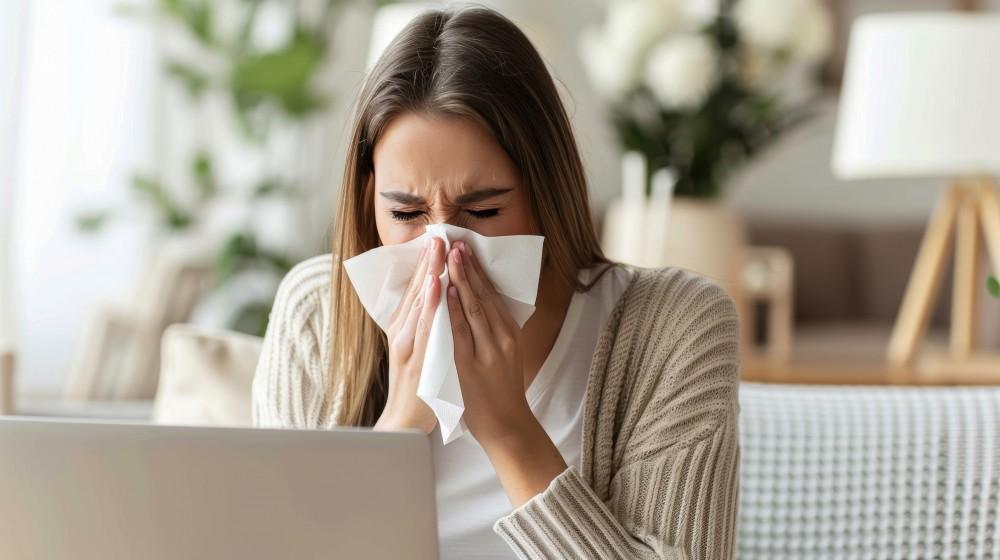
Reducing Dust and Protecting Your Lungs
There are several effective strategies to minimize dust in your HVAC system and reduce its impact on your lungs:
- Change filters regularly: Use high-efficiency filters and replace them according to manufacturer recommendations, or more often if you have pets or allergies.
- Schedule professional duct cleaning: Periodic cleaning removes built-up dust and debris, improving air quality and system efficiency.
- Seal leaks in ductwork: Prevent dust from entering ducts by ensuring all joints and connections are properly sealed.
- Control humidity: Use dehumidifiers or your HVAC system’s settings to keep indoor humidity between 30-50%, which discourages mold growth and dust mite proliferation.
- Use air purifiers: Devices with HEPA filters can capture fine particles that escape your HVAC system, providing an extra layer of protection.
- Clean vents and registers: Wipe down accessible vents regularly to prevent dust from being blown into rooms.
For those with severe allergies or respiratory conditions, consider upgrading to electrostatic or HEPA filters and using anti-mold sprays in your system. These products can make a substantial difference in air quality and comfort.
Expert Resources and Further Reading
For a comprehensive overview of indoor air quality and its health effects, the EPA’s introduction to indoor air quality provides valuable scientific background and practical tips. You can also learn more about asthma triggers from dirty ducts and how to prevent them in your home.
FAQ
How often should HVAC filters be changed to reduce dust exposure?
It’s recommended to replace standard HVAC filters every 1-3 months, but homes with pets, smokers, or allergy sufferers may need more frequent changes. High-efficiency filters can trap smaller particles and should be checked regularly for optimal performance.
Can dust in HVAC systems cause long-term lung problems?
Chronic exposure to airborne dust from HVAC systems can aggravate pre-existing respiratory conditions and may contribute to the development of new issues, especially in children, the elderly, and those with compromised immune systems. Keeping your system clean is essential for long-term lung health.
What are the signs that dust is affecting my indoor air quality?
Common indicators include increased allergy or asthma symptoms, visible dust around vents, musty odors, and frequent respiratory discomfort. If you notice these signs, it may be time to inspect and clean your HVAC system.