Using a camera to inspect air ducts is a valuable method for diagnosing issues inside HVAC systems, but it comes with its own set of safety considerations. Whether you are a professional technician or a facility manager overseeing inspections, understanding the right duct camera inspection safety precautions is essential to protect both personnel and property. This article outlines the most important steps and best practices to ensure a safe and effective inspection process.
For those new to this technology or seeking a comprehensive overview, the what is duct camera inspection guide provides a helpful introduction to the basics of duct camera systems and their uses.
Why Safety Matters During Duct Camera Inspections
Conducting inspections inside ductwork involves confined spaces, electrical equipment, and sometimes hazardous contaminants. Without proper attention to duct camera inspection safety precautions, there is a risk of injury, equipment damage, or even exposure to harmful substances. By following established protocols, professionals can minimize these risks and ensure accurate results.
Preparing for a Safe Duct Camera Assessment
Preparation is the foundation of any safe inspection. Before starting, technicians should:
- Review the site: Understand the layout of the ductwork and identify potential hazards such as sharp edges, loose panels, or electrical wiring.
- Gather appropriate PPE: Personal protective equipment like gloves, safety glasses, and dust masks are essential, especially in older or contaminated systems.
- Check camera equipment: Inspect cables, batteries, and the camera head for any signs of wear or malfunction.
- Ensure proper lighting: Adequate lighting helps prevent accidents and allows for clearer camera footage.
- Notify building occupants: Informing others about the inspection can prevent accidental interference and ensure everyone’s safety.
Key Safety Steps During the Inspection Process
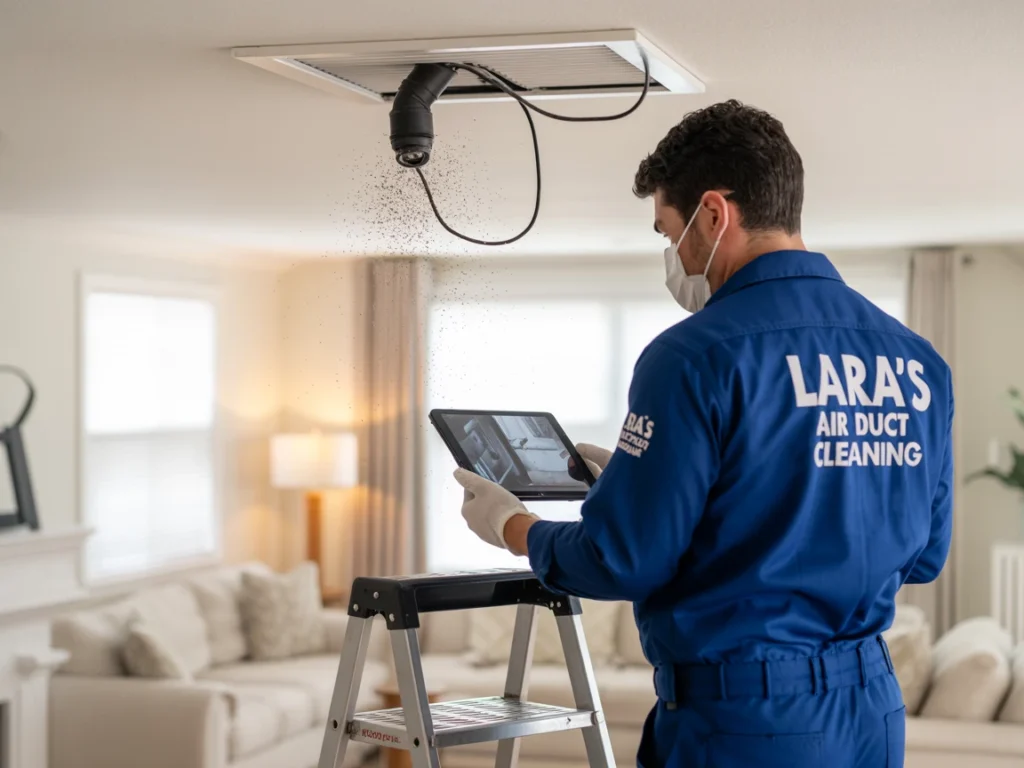
Once the inspection begins, several important safety measures for duct camera use should be followed:
- Secure the work area: Use barriers or signage to keep unauthorized personnel away from open vents or equipment.
- Monitor air quality: If the duct system is suspected to contain mold, asbestos, or other contaminants, use appropriate respiratory protection and consider air monitoring devices.
- Handle equipment with care: Avoid forcing the camera through tight bends or past obstructions, as this can damage both the camera and the ductwork.
- Maintain communication: If working as a team, keep in constant contact to coordinate movements and respond quickly to any issues.
- Watch for electrical hazards: Ducts may contain wiring or be near energized components. Always de-energize circuits when possible and use insulated tools.
Post-Inspection Safety and Clean-Up
After the inspection, it’s important to complete a thorough clean-up and review:
- Remove all tools and debris: Double-check that nothing is left inside the ductwork that could obstruct airflow or cause future issues.
- Sanitize equipment: Clean the camera and cables, especially if they came into contact with dust, debris, or contaminants.
- Inspect for damage: Assess both the ductwork and the camera system for any signs of wear or accidental harm during the process.
- Restore all access panels: Ensure all covers and panels are securely replaced to maintain system integrity and safety.
Common Hazards and How to Avoid Them
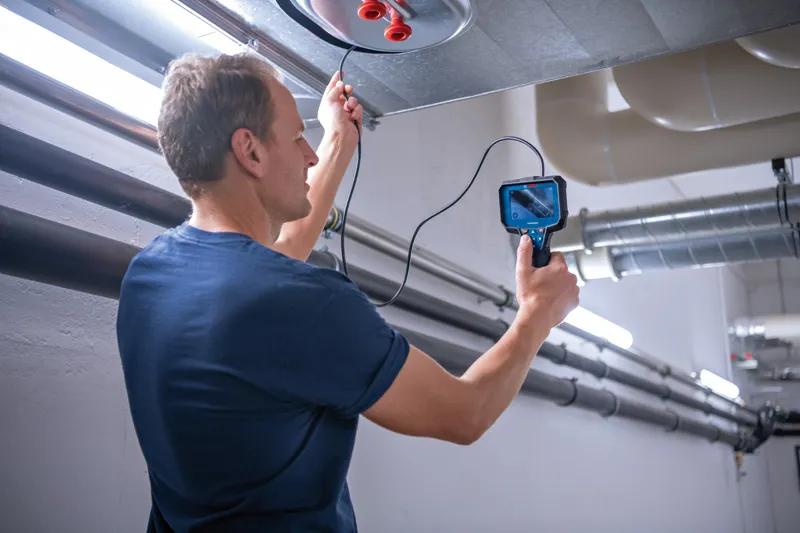
Several risks are frequently encountered during duct inspections. Being aware of these and taking proactive steps can prevent accidents:
- Confined spaces: Ducts can be narrow and difficult to access. Only trained personnel should enter or work near confined areas, and a spotter should be present when necessary.
- Sharp edges and debris: Metal ducts often have sharp edges. Wearing cut-resistant gloves and being cautious when inserting or retrieving equipment helps avoid injuries.
- Biological contaminants: Mold, bacteria, and animal droppings may be present. Use appropriate PPE and avoid disturbing debris unnecessarily.
- Electrical exposure: If ducts run near electrical systems, always verify that circuits are off and avoid contact with exposed wires.
For more detailed procedures and professional insights, the professional camera duct inspection process resource offers a comprehensive overview of industry standards and advanced safety protocols.
Best Practices for Maintaining Inspection Equipment
Proper care of the camera system not only extends its lifespan but also ensures safe operation. Here are some recommendations:
- Regular maintenance: Schedule routine checks for cables, connectors, and camera heads.
- Battery management: Always use fully charged batteries to prevent sudden power loss during inspections.
- Storage: Keep equipment in protective cases to avoid dust buildup and physical damage.
- Documentation: Record any issues or repairs to track the equipment’s condition over time.
For those interested in a deeper dive into inspection technology and troubleshooting, the HVAC duct camera inspection guide provides further technical details and maintenance tips.
Integrating Safety Into Routine HVAC Maintenance
Incorporating duct camera inspection safety precautions into regular HVAC maintenance routines helps prevent unexpected breakdowns and health hazards. By making safety checks a standard part of every inspection, organizations can ensure compliance with regulations and protect both workers and building occupants.
Additionally, maintaining clean air ducts and using proper filtration are essential for indoor air quality. For more on this topic, see the air filters and dust reduction best practices.
FAQ: Duct Camera Inspection Safety
What personal protective equipment is recommended for duct camera inspections?
Technicians should wear gloves, safety glasses, and dust masks as a minimum. In environments with potential mold, asbestos, or other hazardous materials, additional respiratory protection and disposable coveralls may be necessary.
How can electrical hazards be minimized during duct inspections?
Always verify that any circuits near the inspection area are de-energized before starting. Use insulated tools and avoid contact with exposed wiring. If unsure, consult a qualified electrician before proceeding.
What should be done if contaminants are discovered during an inspection?
If mold, animal droppings, or other biological hazards are found, stop the inspection and assess the risk. Use appropriate PPE and consider involving a remediation specialist to handle cleanup before resuming work.
Why is it important to notify building occupants before an inspection?
Informing occupants helps prevent accidental interference with the inspection process and ensures that everyone is aware of potential noise, dust, or temporary access restrictions during the procedure.
How often should duct camera equipment be maintained?
Equipment should be checked before and after each use for signs of damage or wear. Regular, documented maintenance helps prevent malfunctions and extends the lifespan of the camera system.