Maintaining clean and efficient air ducts is crucial for indoor air quality and the performance of HVAC systems. Over time, dust, debris, and even mold can accumulate inside ductwork, often out of sight. This is where duct camera inspection explained becomes invaluable. By using specialized cameras, professionals can visually assess the condition of ducts, identify issues, and recommend targeted solutions. Understanding how this process works, its practical applications, and the advantages it offers can help homeowners and facility managers make informed decisions about their air systems.
For those interested in broader maintenance strategies, the duct system hygiene guide provides additional insights into keeping air safe and healthy.
How Duct Camera Technology Works
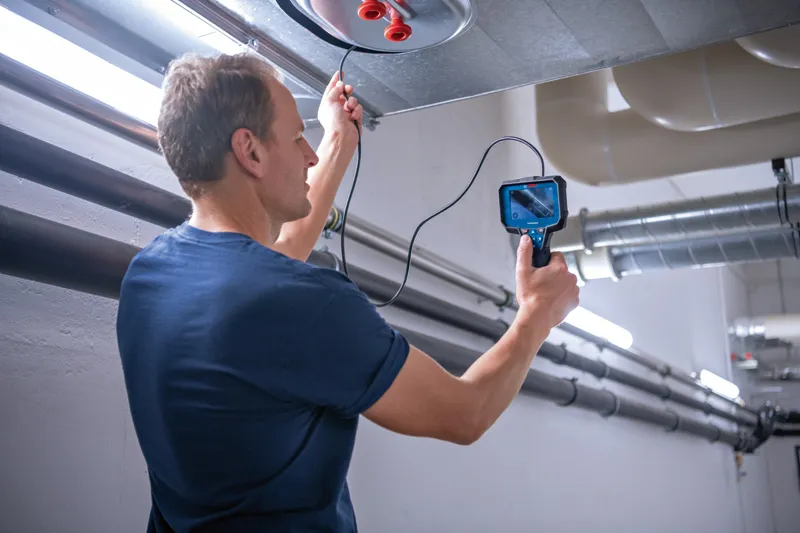
The core of a modern duct assessment is the use of a small, high-resolution camera attached to a flexible cable. This device is inserted into the ductwork, transmitting real-time video to a monitor. Technicians can maneuver the camera through bends and branches, capturing detailed images of the interior surfaces. The footage helps pinpoint blockages, leaks, corrosion, or microbial growth that would otherwise remain hidden.
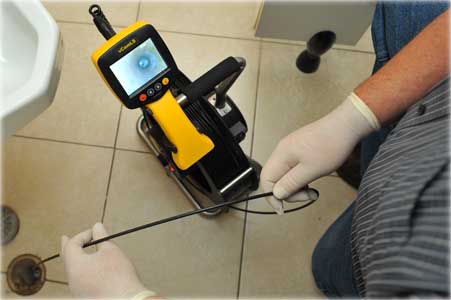
Most inspection cameras feature LED lighting to illuminate dark duct interiors, and some models can record video or capture still images for documentation. This technology allows for a thorough evaluation without the need for invasive dismantling or guesswork.
Step-by-Step Process of a Professional Duct Camera Assessment
A typical inspection using a duct camera involves several key steps:
- Preparation: The technician identifies suitable access points, such as vents or service openings, and ensures the system is safe to inspect.
- Camera Insertion: The camera probe is gently fed into the ductwork, guided remotely while live images are reviewed on a screen.
- Systematic Scanning: The technician navigates the camera through the main trunk and branch lines, pausing to examine suspicious areas.
- Documentation: Photos or video clips are saved to highlight any discovered issues, such as heavy dust, obstructions, or signs of moisture.
- Reporting: After the scan, the findings are summarized in a report, often with visual evidence and recommendations for cleaning or repairs.
This process is non-destructive and typically takes less than an hour for a standard residential system, though larger or more complex ductwork may require additional time.
Common Applications for Duct Camera Inspections
The use of video technology in ductwork assessment is not limited to routine maintenance. Some of the most frequent scenarios include:
- Pre-cleaning evaluation: Determining the extent and type of buildup before scheduling a cleaning service.
- Post-cleaning verification: Confirming that all contaminants have been removed after a cleaning procedure.
- Identifying blockages: Locating debris, nests, or foreign objects that may restrict airflow.
- Detecting leaks or damage: Spotting cracks, disconnected joints, or corrosion that could compromise system efficiency.
- Mold and moisture assessment: Checking for visible mold growth or water intrusion, which can impact air quality and health.
For those concerned about indoor air quality, learning about air filters and dust reduction can complement the insights gained from a camera inspection.
Key Advantages of Using Duct Cameras
There are several important benefits to incorporating camera technology into ductwork evaluations:
- Accuracy: Visual confirmation eliminates guesswork, ensuring that recommendations are based on actual conditions.
- Transparency: Homeowners and property managers can see the same images as the technician, building trust in the process.
- Cost-effectiveness: Targeted cleaning or repairs can be performed only where needed, avoiding unnecessary work.
- Preventive maintenance: Early detection of issues helps prevent costly breakdowns or health hazards.
- Documentation: Visual records support warranty claims, insurance documentation, and ongoing maintenance planning.
When Is a Duct Camera Inspection Recommended?
While regular visual checks are valuable, certain situations make a camera-based assessment especially important:
- After renovations or construction, when dust and debris may have entered the system.
- If occupants experience unexplained allergy symptoms or suspect mold exposure. For more on this, see the symptoms of mold exposure in home resource.
- When airflow seems restricted or uneven throughout the property.
- Before purchasing a new home or commercial property, to assess the condition of the HVAC system.
- Following pest infestations, to ensure no nests or droppings remain in the ductwork.
Professional vs. DIY: Why Expertise Matters
While consumer-grade inspection cameras are available, professional services offer several advantages. Certified technicians have access to higher-quality equipment, are trained to interpret what they see, and can provide actionable recommendations. They also adhere to industry standards for safety and hygiene, reducing the risk of accidental damage or incomplete assessments.
For those interested in learning more about the cleaning process, the article on how to clean vents safely offers practical tips for homeowners.
Health and Efficiency Benefits of Camera-Based Duct Inspection
A thorough visual assessment of ductwork can contribute to both health and energy savings. By identifying sources of contamination, such as dust, pollen, or mold, property owners can take steps to improve indoor air quality and reduce allergy risks. Addressing leaks or blockages also helps the HVAC system operate more efficiently, potentially lowering energy bills and prolonging equipment life.
For a deeper look at the connection between HVAC upkeep and well-being, see the guide on HVAC maintenance and health benefits.
Choosing a Reliable Service Provider
When selecting a company for a ductwork assessment, look for technicians with proper certifications and experience. Ask about the type of camera equipment used, request sample reports, and ensure that findings will be clearly documented. Reading reviews and seeking recommendations can also help identify reputable providers.
For more detailed information about the technology and what to expect, the comprehensive overview of duct camera inspections offers further insights.
Frequently Asked Questions
What problems can a duct camera inspection detect?
This process can reveal a wide range of issues, including dust buildup, mold growth, pest infestations, physical damage, and blockages. It also helps identify leaks or disconnected segments that may affect system performance.
How often should air ducts be inspected with a camera?
For most homes, a camera-based assessment every three to five years is sufficient, unless there are specific concerns such as recent renovations, allergy symptoms, or visible dust around vents. Commercial properties or facilities with higher usage may benefit from more frequent checks.
Is the inspection process disruptive or messy?
No, the procedure is minimally invasive. The camera is inserted through existing access points, and there is no need to dismantle ductwork or create dust. The process is quick and leaves the property undisturbed.
Can I see the images or video from my duct inspection?
Yes, reputable providers typically share the footage or images with clients, allowing you to see the condition of your ductwork firsthand and understand any recommended actions.
In summary, using advanced camera technology for ductwork evaluation offers a clear, accurate, and efficient way to maintain healthy indoor air and optimize HVAC performance. By understanding the process and its benefits, property owners can make informed choices about their maintenance routines and ensure a safer, cleaner environment.