Understanding the tools used for inspecting air ducts is essential for anyone interested in HVAC maintenance, indoor air quality, or professional cleaning services. Duct camera inspection equipment explained in straightforward terms can help homeowners, property managers, and technicians see the value of these devices and how they improve the accuracy and efficiency of ductwork assessments. This article breaks down the basics of these systems, the components involved, and why they matter for both routine checks and troubleshooting complex issues.
For those new to the topic, a more detailed overview of the what is duct camera inspection process can provide helpful background before diving into the specifics of the equipment itself.
What Is Duct Camera Inspection Equipment?
At its core, duct camera inspection equipment is a set of specialized tools designed to visually assess the inside of HVAC ductwork. These systems help professionals identify blockages, damage, mold, or debris that could impact air quality or system performance. The main advantage of using cameras is the ability to see areas that are otherwise inaccessible without dismantling the duct system.
The technology has become a standard part of modern HVAC diagnostics, offering clear images or video feeds from deep within the ductwork. This approach saves time, reduces guesswork, and helps ensure that cleaning or repairs are targeted and effective.
Key Components of Modern Duct Cameras
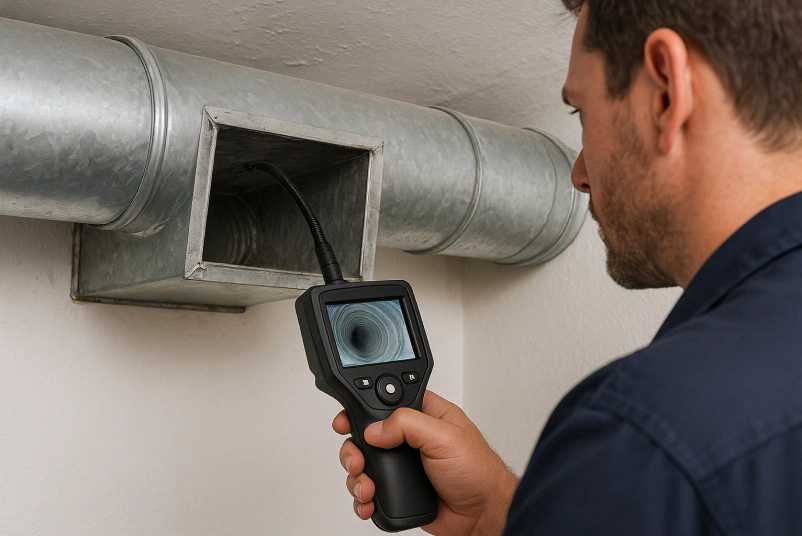
To fully grasp how these systems work, it’s helpful to look at the main parts that make up a typical duct camera inspection kit:
- Camera Head: The heart of the system, this small, durable camera is designed to navigate tight spaces and withstand dust, moisture, and temperature fluctuations.
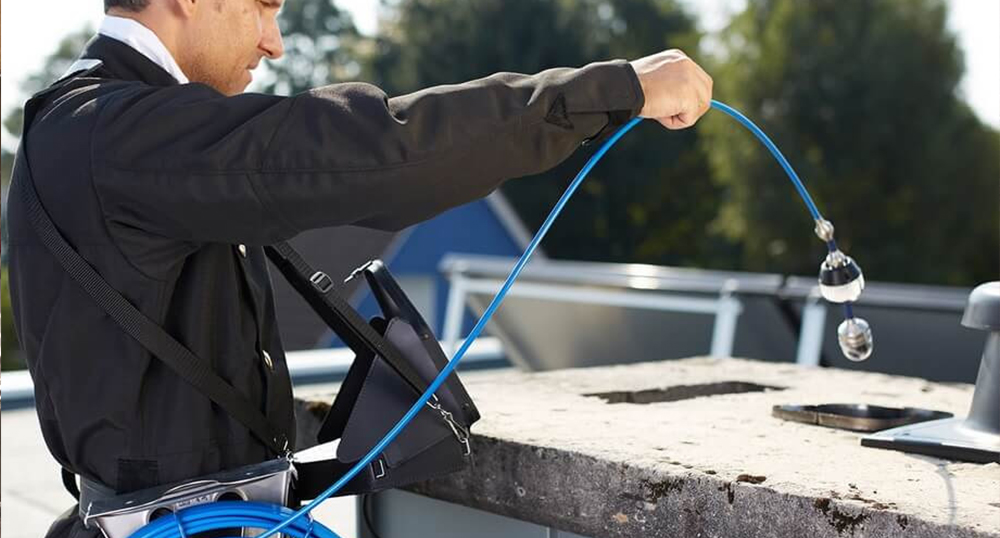
- Flexible Cable or Rod: Attached to the camera, this allows technicians to guide the lens through bends, branches, and long stretches of ductwork.
- Lighting: Integrated LED lights illuminate the inside of the ducts, ensuring clear visibility even in complete darkness.
- Monitor or Display: A handheld or mounted screen displays live video or captured images, making it easy for users to spot issues in real time.
- Recording and Storage: Many modern units allow for video recording or image capture, which is useful for documentation and reporting.
- Control Unit: Some advanced systems include controls for adjusting lighting, camera angle, or zoom, enhancing inspection capabilities.
How Duct Camera Systems Work in Practice
Using a duct camera system typically involves inserting the camera head into an access point in the ductwork. The technician then guides the camera through the ducts, watching the live feed on the monitor. As the camera moves, the operator can pause to examine suspicious areas, take photos, or record video for later review.
This process allows for a thorough inspection without the need to remove large sections of ducting or disrupt the building’s structure. It also enables precise identification of issues such as:
- Accumulated dust, lint, or debris
- Mold growth or moisture problems
- Physical damage like cracks, holes, or disconnected joints
- Obstructions caused by pests or foreign objects
For a deeper dive into the step-by-step process and how findings are documented, see the duct camera inspection reporting process.
Types of Duct Camera Inspection Equipment
There are several variations of duct camera systems, each suited to different needs and budgets:
- Push Cameras: These are the most common and are manually pushed through the duct using a flexible rod. They’re ideal for straight or gently curved ducts.
- Crawler Cameras: Mounted on small motorized vehicles, these can navigate larger or more complex duct systems, including vertical shafts or multiple bends.
- Wireless Cameras: Some models transmit video wirelessly to a remote monitor, which can be useful in large buildings or hard-to-reach areas.
- High-Resolution and 360-Degree Cameras: Advanced units offer ultra-clear images or panoramic views, making it easier to spot subtle issues.
Benefits of Using Visual Inspection Tools for Ducts
The advantages of using these inspection systems go beyond just convenience. Here are some of the main benefits:
- Accurate Problem Detection: Visual confirmation ensures that cleaning and repairs are based on real conditions, not assumptions.
- Time and Cost Savings: By pinpointing issues quickly, technicians can avoid unnecessary work and reduce labor costs.
- Improved Documentation: Recorded images and videos provide clear evidence for clients, insurance claims, or regulatory compliance.
- Enhanced Safety: Identifying hazards like mold or pest infestations early helps protect occupants and technicians alike.
- Better Customer Communication: Showing clients actual footage from inside their ducts builds trust and helps explain recommended services.
For a broader look at how these inspections fit into overall HVAC maintenance, the HVAC duct camera inspection guide covers diagnostics and best practices.
Choosing the Right Equipment for Your Needs
Selecting the best duct camera system depends on several factors:
- Type and Size of Ductwork: Residential systems may only require basic push cameras, while commercial or industrial sites might benefit from crawler or wireless models.
- Frequency of Use: Professionals who perform inspections regularly should invest in durable, feature-rich equipment.
- Budget: Entry-level systems are available for smaller budgets, but advanced features like HD video or wireless connectivity come at a higher cost.
- Reporting Needs: If documentation is important, choose a system with easy recording and export options.
Industry standards and recommendations, such as those from the National Air Duct Cleaners Association’s guide for new technicians, can help inform your decision and ensure compliance with best practices.
Common Applications for Duct Cameras
While these tools are most often associated with routine HVAC maintenance, they are also used for:
- Pre- and post-cleaning inspections to verify results
- Investigating persistent odors or air quality complaints
- Locating sources of water leaks or mold growth
- Assessing damage after fires, floods, or pest infestations
- Supporting insurance claims or legal documentation
For more on the practical uses and advantages of these inspections, the duct camera inspection explained article covers process details and real-world benefits.
FAQ: Duct Camera Inspection Equipment
How does duct camera inspection equipment improve HVAC maintenance?
By providing a clear visual of the inside of ductwork, these systems help technicians identify and address problems quickly and accurately. This leads to more effective cleaning, targeted repairs, and improved air quality for building occupants.
Is duct camera inspection equipment suitable for both residential and commercial use?
Yes, there are models designed for a range of duct sizes and building types. Residential systems tend to be simpler, while commercial-grade equipment may offer more advanced features for larger or more complex ductwork.
What should I look for when choosing a duct camera system?
Consider the type of ducts you’ll be inspecting, how often you’ll use the equipment, your budget, and whether you need features like video recording or wireless connectivity. Durability and ease of use are also important factors.
Can these systems detect mold or other health hazards?
While duct cameras can visually identify signs of mold, moisture, or debris, they do not test for specific contaminants. However, spotting suspicious areas allows for targeted sampling or remediation. For a more comprehensive approach, see the HVAC mold inspection checklist.
Conclusion
Gaining a clear understanding of duct camera inspection equipment explained in simple terms helps demystify the process and highlights the value of these tools in maintaining healthy, efficient HVAC systems. Whether you’re a homeowner, property manager, or technician, knowing what to expect from these inspections can lead to better decision-making and improved indoor air quality.