Staying compliant with duct camera inspection building codes is essential for property owners, contractors, and HVAC professionals. These regulations ensure that air duct systems are not only clean but also safe and efficient. As building codes evolve, understanding how camera inspections fit into the process can help avoid costly mistakes and ensure long-term system performance.
This article explores the fundamentals of code compliance for duct inspections using cameras, highlights key standards, and explains why thorough documentation is crucial. For those new to this technology, you may want to review the what is duct camera inspection guide for foundational knowledge.
Why Building Codes Matter for Duct Camera Inspections
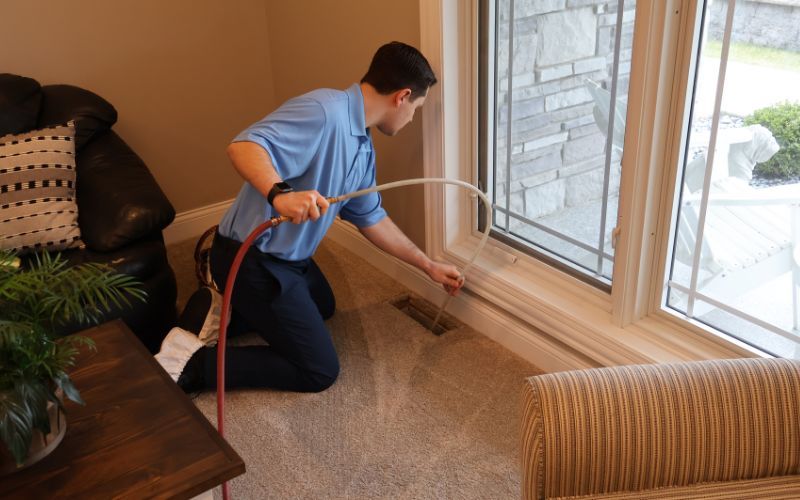
Building codes are designed to protect health, safety, and property value. When it comes to HVAC systems, these codes set standards for installation, maintenance, and inspection. Using cameras to inspect ductwork provides a non-invasive way to verify compliance with these regulations, detect hidden issues, and document the condition of the system.
Many local and national codes now recognize or even require visual verification of ductwork integrity. Camera inspections can reveal blockages, leaks, improper connections, or signs of contamination that may otherwise go unnoticed. This approach supports both preventive maintenance and post-installation verification.
Key Standards and Codes Impacting Duct Camera Inspections
Several major codes and standards influence how duct camera inspections are performed and reported. Understanding these requirements is critical for anyone involved in HVAC work or property management.
- International Mechanical Code (IMC): The IMC sets requirements for duct construction, installation, and inspection. It often mandates visual verification of duct cleanliness and integrity, which can be achieved through camera technology.
- ASHRAE Standards: The American Society of Heating, Refrigerating and Air-Conditioning Engineers (ASHRAE) provides guidelines for ventilation and indoor air quality. Their standards frequently reference the need for regular inspection and documentation.
- National Air Duct Cleaners Association (NADCA) Standards: NADCA’s ACR Standard is widely referenced for duct cleaning and inspection. It outlines best practices for using cameras to assess duct conditions and verify cleaning results.
- Local Building Codes: Many municipalities adopt or adapt national codes to fit local needs. Always check with your local building department for specific requirements regarding camera inspections and documentation.
For a deeper dive into the inspection process and its reporting, the duct camera inspection reporting process article offers step-by-step guidance.
How Camera Inspections Support Code Compliance
Camera-based inspections are a powerful tool for meeting the requirements set by modern building codes. Here’s how they contribute to compliance:
- Visual Documentation: Cameras provide clear, timestamped images or video of duct interiors. This evidence can be submitted to inspectors or kept for records, proving that the system meets code requirements.
- Early Problem Detection: By identifying issues such as leaks, blockages, or microbial growth early, property owners can address them before they become code violations or health hazards.
- Verification of Repairs and Cleaning: After maintenance or cleaning, a camera inspection can confirm that all work was completed to code and that no debris or contaminants remain.
- Transparency for Property Transactions: During real estate sales or renovations, documented camera inspections can reassure buyers and meet disclosure requirements.

Best Practices for Duct Camera Inspections Under Building Codes
To ensure that your duct camera inspections meet regulatory standards, follow these best practices:
- Use High-Quality Equipment: Select cameras designed for ductwork, with adequate lighting and resolution to capture clear images in tight spaces.
- Follow a Systematic Inspection Process: Inspect all accessible sections of the ductwork, including supply and return ducts, joints, and transitions. Document findings thoroughly.
- Maintain Detailed Records: Keep organized records of inspection dates, findings, and any corrective actions taken. This documentation may be required for code compliance or future reference.
- Stay Updated on Code Changes: Building codes are periodically updated. Regularly review local and national standards to ensure your inspection process remains compliant.
- Work with Certified Professionals: When possible, hire or consult with technicians certified by organizations like NADCA to ensure inspections are performed to industry standards.
For a comprehensive overview of the inspection process, including the tools and techniques used, the duct camera inspection explained resource is highly recommended.
Common Issues Identified During Camera-Based Duct Inspections
Regular inspections using cameras can uncover a range of issues that may affect code compliance and system performance:
- Accumulated Dust and Debris: Excessive buildup can restrict airflow and violate indoor air quality standards.
- Leaks and Gaps: Poorly sealed joints or damaged duct sections can lead to energy loss and reduced system efficiency.
- Mold or Microbial Growth: Moisture in ducts can promote mold, which is a health hazard and a code violation in many jurisdictions.
- Improper Installations: Non-compliant materials or configurations can be flagged during inspections, requiring corrective action.
Addressing these issues promptly not only helps maintain compliance but also improves air quality and reduces energy costs. For a practical checklist on identifying mold and other hazards, see the HVAC mold inspection checklist.
Documentation and Reporting for Code Compliance
Proper documentation is a cornerstone of code-compliant duct inspections. Reports should include:
- Visual Evidence: Photos or video clips from the inspection, clearly labeled with location and date.
- Written Findings: Detailed notes on any issues discovered, including their location and severity.
- Corrective Actions: Records of repairs, cleaning, or other steps taken to address code violations.
- Inspector Credentials: Documentation of the inspector’s qualifications or certifications, if required by code.
Many property owners and managers find it helpful to review a comprehensive home guide to air duct inspection to better understand what inspectors look for and how to interpret reports.
FAQ: Duct Camera Inspections and Building Code Compliance
Are duct camera inspections required by law?
Requirements vary by location. Some jurisdictions mandate camera-based inspections for certain types of properties or after major HVAC work. It’s important to consult your local building department or a certified HVAC professional to determine what’s required in your area.
How often should duct camera inspections be performed?
Frequency depends on building use, occupancy, and local codes. Generally, inspections are recommended every 3–5 years, or after renovations, new installations, or suspected issues. Commercial properties may require more frequent checks.
What happens if a duct system fails an inspection?
If code violations or hazards are found, corrective actions such as cleaning, repairs, or upgrades must be completed. A follow-up inspection may be required to verify that the system now meets all applicable standards.
Can I perform a duct camera inspection myself?
While DIY inspections are possible with the right equipment, professional inspectors are trained to identify issues that may be missed by untrained eyes. For code compliance, inspections often need to be performed or verified by certified personnel.
Where can I learn more about the inspection process?
For a step-by-step explanation, the HVAC duct camera inspection guide provides detailed insights into the tools, techniques, and reporting involved.
Staying informed about duct camera inspection building codes helps ensure your property remains safe, efficient, and compliant. Regular inspections, thorough documentation, and a clear understanding of current standards are the keys to success.