Mold is a common indoor contaminant, but its presence inside your HVAC system can be especially problematic. When mold grows in air ducts, it can spread spores throughout your home every time the system runs. This not only affects indoor air quality but can also have serious consequences for your health and comfort. Understanding the dangers of mold in air ducts is essential for homeowners who want to maintain a safe and healthy living environment.
Many people overlook their ductwork when thinking about home maintenance. However, neglecting this hidden part of your HVAC system can allow moisture and organic debris to accumulate, creating the perfect breeding ground for mold. Once established, mold colonies can be difficult to remove and may require professional intervention. Early detection and regular cleaning are key to preventing long-term issues.
If you’re interested in broader HVAC maintenance, you might also want to learn how to clean an HRV filter for improved air quality and system efficiency.
How Mold Grows in Your HVAC System
Mold spores are present in nearly every environment, but they need specific conditions to thrive. Inside ductwork, these conditions are often met due to the combination of moisture, warmth, and organic dust. Leaks, high humidity, or condensation within the system can quickly lead to mold growth. Once established, the HVAC system can distribute these spores throughout your home, exposing everyone to potential health risks.
Common sources of moisture in ductwork include:
- Leaky ducts or poorly insulated sections
- Clogged or dirty air filters causing condensation
- High indoor humidity levels
- Water leaks from roofs or plumbing near ducts
Regular inspection and maintenance of your HVAC system can help prevent these issues and reduce the risk of mold colonization.
Health Risks Associated With Mold in Air Ducts
Exposure to mold spores can cause a range of health problems, especially for people with allergies, asthma, or weakened immune systems. The dangers of mold in air ducts are not always immediately obvious, but over time, exposure can lead to chronic symptoms and respiratory issues.
Some of the most common health effects include:
- Allergic reactions: Sneezing, runny nose, itchy eyes, and skin rashes
- Asthma attacks: Mold spores can trigger or worsen asthma symptoms
- Respiratory infections: Prolonged exposure may lead to bronchitis or other infections
- Fatigue and headaches: Poor indoor air quality can contribute to general malaise
Children, the elderly, and anyone with pre-existing respiratory conditions are particularly vulnerable. If you notice persistent symptoms that improve when you leave your home, it could be a sign that mold is affecting your indoor air.
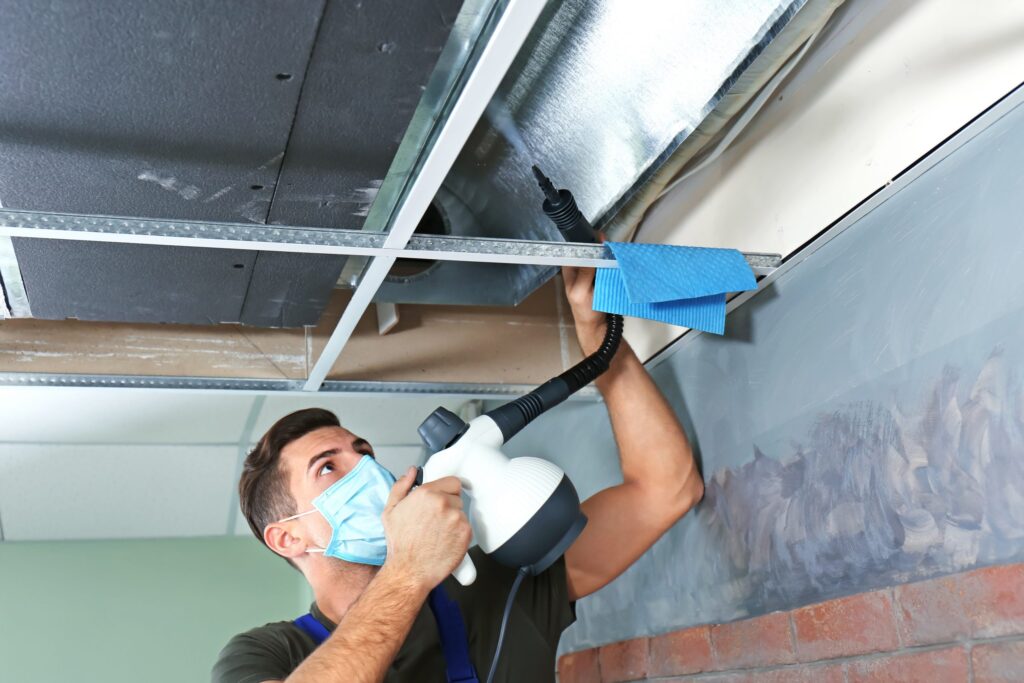
Signs That Mold May Be Lurking in Your Ductwork
Detecting mold in your HVAC system isn’t always straightforward, as much of the ductwork is hidden behind walls and ceilings. However, there are several warning signs that may indicate a problem:
- Musty or earthy odors when the HVAC system is running
- Visible mold growth around vents or intake grilles
- Frequent allergy-like symptoms among household members
- Unexplained increases in dust or debris near vents
- Condensation or water stains around ductwork
If you notice any of these indicators, it’s important to investigate further. Professional inspection and testing can confirm the presence of mold and help determine the best course of action.
Preventing and Addressing Mold Problems in Air Ducts
Prevention is the most effective way to avoid the dangers of mold in air ducts. Here are some practical steps you can take to minimize the risk:
- Keep humidity levels below 50% using dehumidifiers if necessary
- Fix leaks and insulate ductwork to prevent condensation
- Change air filters regularly and use high-quality filters
- Schedule routine HVAC maintenance and inspections
- Ensure proper drainage from air conditioning units
If mold is already present, professional cleaning is often required. Specialized equipment and cleaning agents are used to remove mold colonies and prevent regrowth. For those interested in a do-it-yourself approach, you can refer to this step-by-step guide to cleaning heating and air conditioning ducts, but be aware that severe infestations should always be handled by experts.
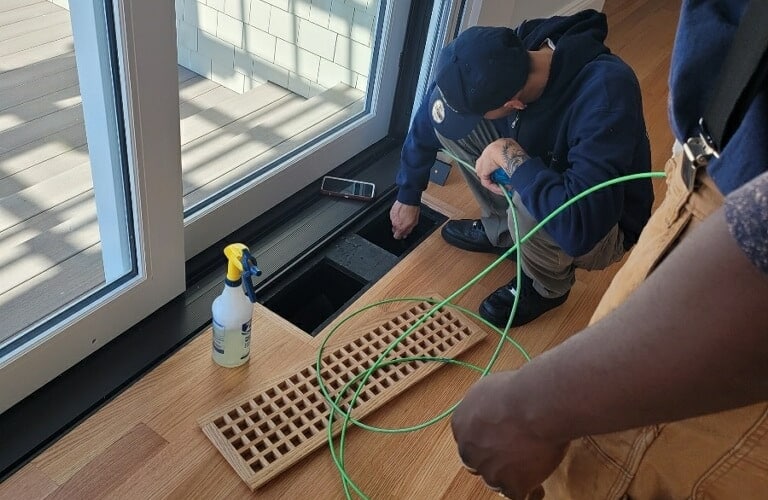
Long-Term Solutions for Cleaner Indoor Air
Addressing mold in your ductwork is only part of maintaining a healthy indoor environment. Consider these additional strategies to keep your air clean and safe:
- Install a HEPA air scrubber or purifier to capture airborne spores
- Ventilate bathrooms, kitchens, and laundry rooms to reduce moisture
- Seal and insulate ducts to prevent leaks and condensation
- Regularly inspect your home for signs of water intrusion
If you have a more complex HVAC setup, you may benefit from learning how to clean a multi zone HVAC system for optimal performance and air quality.
Frequently Asked Questions
What are the main health risks of mold in ductwork?
Exposure to mold spores from ductwork can cause allergic reactions, worsen asthma, and lead to respiratory infections. People with compromised immune systems, children, and the elderly are at higher risk for severe symptoms.
How can I tell if my air ducts have mold?
Common signs include musty odors when the HVAC is running, visible mold growth near vents, increased allergy symptoms, and unexplained dust or debris. Professional inspection is recommended for confirmation.
Can I clean mold from my air ducts myself?
Minor mold issues may be addressed with DIY cleaning methods, but extensive contamination should be handled by professionals. For those interested in DIY, follow safe procedures and use appropriate protective equipment. Severe or recurring problems require expert remediation.
Conclusion
Mold in your HVAC system is a hidden threat that can compromise both your health and your home’s air quality. By understanding the dangers of mold in air ducts, recognizing warning signs, and taking proactive steps to prevent and address contamination, you can protect your household from unnecessary risks. Regular maintenance, prompt repairs, and the use of air purification devices are all effective strategies for keeping your indoor environment safe and comfortable.