Having a musty smell in your home can be quite unsettling, especially when it seems to be coming from your air ducts. Understanding the causes of musty duct smell step by step can help homeowners and business owners take the right measures to address and prevent this issue. This article will take you through the most common causes and solutions to ensure your indoor air remains fresh and healthy.
Understanding the Source of the Smell
The first step in addressing a musty smell is to identify its source. Typically, these odors originate from moisture buildup, mold, and mildew growth, or even dead animals trapped within the ducts. Recognizing these sources early can help prevent further complications.
Moisture Buildup
One of the primary reasons for musty odors in ducts is excess moisture. This can occur due to leaks, poor insulation, or high humidity levels. Moisture creates an ideal environment for mold and mildew to thrive, leading to unpleasant smells.
Mold and Mildew Growth
Mold and mildew are fungi that grow in damp environments. They release spores into the air, which not only causes musty smells but can also pose health risks. Regularly checking for and removing mold is crucial for maintaining air quality. Learn more about mold solutions.
Debris and Dust Accumulation
Over time, dust and debris can accumulate in your ducts, trapping moisture and contributing to a musty odor. Regular cleaning can help reduce this buildup and improve air quality.
Step-by-Step Guide to Address Musty Smells
Step 1: Inspect Your Ducts
Begin by inspecting your ducts for visible signs of mold, mildew, or water damage. Use a flashlight to check for any dark spots or moisture.
Step 2: Check for Leaks
Examine your HVAC system for any leaks. Leaks can allow moisture to enter your ducts, exacerbating the odor problem.
Step 3: Improve Insulation
Ensure your ducts are properly insulated to prevent condensation and moisture buildup. This can significantly reduce the risk of mold growth.
Step 4: Clean Your Ducts
Regularly cleaning your ducts can help remove dust, debris, and any mold or mildew. Consider hiring a professional service for a thorough cleaning. Visit best removal methods for professional insights.
Preventing Future Musty Smells
Regular Maintenance
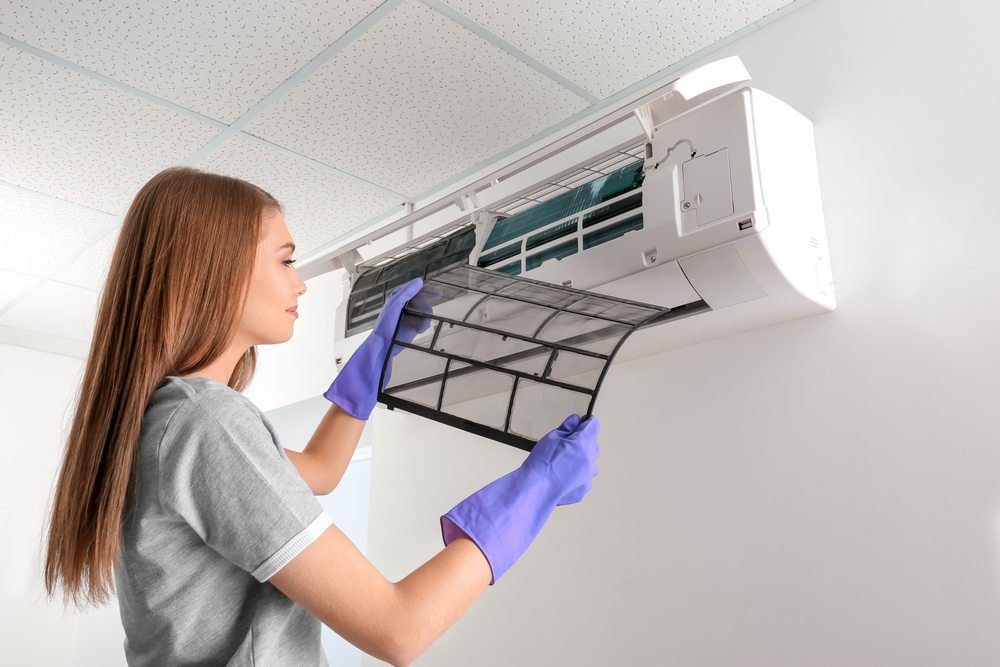
Conducting regular maintenance checks on your HVAC system can help prevent moisture and mold buildup. Replace filters and clean components regularly.
Control Humidity Levels
Maintain an optimal humidity level in your home to prevent mold and mildew growth. Using dehumidifiers can be an effective solution.
Ensure Proper Ventilation
Good ventilation is key to preventing musty odors. Ensure your home is well-ventilated, particularly in areas prone to moisture.
Additional Considerations
Health Implications
Mold and mildew can pose health risks, especially for individuals with allergies or respiratory issues. Addressing duct odors promptly can help safeguard your health. Check out health risk information for more details.
Professional Help
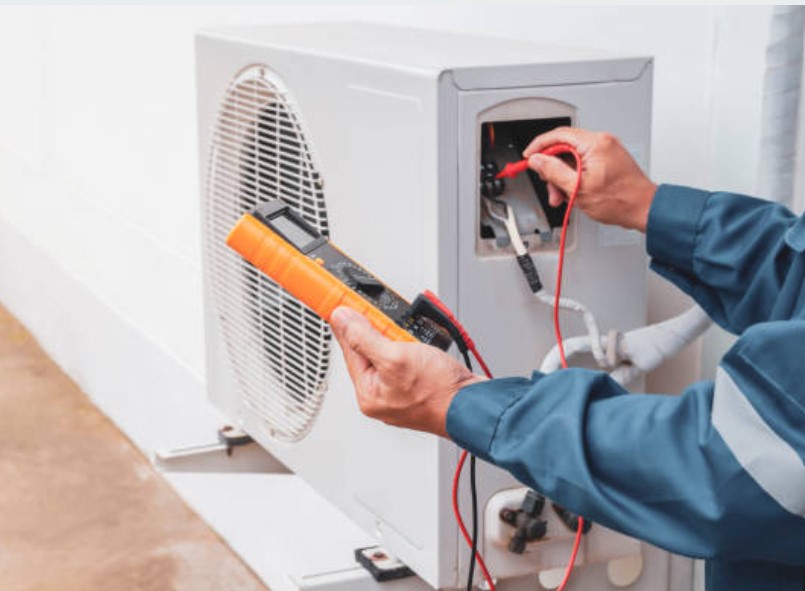
If you’re unable to resolve the issue yourself, consider hiring a professional. They have the tools and expertise to effectively address duct odors.
Frequently Asked Questions
How can I tell if my ducts are causing the musty smell?
Look for signs such as visible mold, water stains, or a persistent musty odor when the HVAC system is running.
How often should I clean my ducts?
It’s recommended to clean your ducts every three to five years, or more frequently if you notice persistent odors.
Can musty duct smells affect my health?
Yes, prolonged exposure to mold and mildew can cause respiratory issues and aggravate allergies. It’s important to address these odors promptly.
Conclusion
Understanding the causes of musty duct smell step by step and taking preventive measures can help maintain a fresh and healthy indoor environment. Regular inspections, cleaning, and maintenance are key to avoiding these unpleasant odors. For more information on air quality and duct odors, visit air quality methods and keep your home smelling fresh.
This article contains affiliate links. We may earn a commission at no extra cost to you.