Indoor air quality is a growing concern for many homeowners, especially when it comes to the potential for bacteria and other microorganisms to circulate through heating, ventilation, and air conditioning (HVAC) systems. Many people wonder: can vents spread bacteria throughout a living space? Understanding how air moves within your home, and the role your ductwork plays, is crucial for maintaining a healthy environment.
This article explores the science behind air circulation, the risks associated with contaminated vents, and practical steps you can take to minimize bacterial spread. We’ll also highlight the importance of regular maintenance and modern filtration solutions to help you breathe easier.
If you’re interested in learning more about related indoor air quality issues, such as dust mites in ventilation systems, there are resources available to help you understand and address these common household concerns.
Understanding How Air Vents Can Circulate Bacteria
The primary function of your home’s HVAC system is to move air efficiently throughout the building. However, this same process can also distribute microscopic particles—including bacteria, viruses, and allergens—if the system is not properly maintained. When dust, moisture, and organic debris accumulate in ductwork, they can create an environment where bacteria thrive.
As air passes through contaminated vents, these microbes may become airborne and travel from room to room. This is particularly concerning for individuals with allergies, asthma, or weakened immune systems. The question of can vents spread bacteria is not just theoretical—scientific studies have shown that poorly maintained HVAC systems can contribute to the spread of respiratory illnesses and other health issues.
Common Sources of Bacterial Contamination in Ducts
Several factors can lead to bacterial growth inside your ventilation system:
- Moisture buildup: Leaks, condensation, or high humidity can create damp conditions ideal for bacteria and mold.
- Organic debris: Dust, pet dander, and other organic matter provide food for microbes.
- Neglected maintenance: Infrequent filter changes and duct cleaning allow contaminants to accumulate over time.
- Poor filtration: Low-quality or clogged filters fail to capture bacteria and other particles.
For more information on minimizing allergens and contaminants, you may find this guide on airborne contaminants in home helpful.

Health Risks Linked to Bacteria Circulating Through Vents
Exposure to airborne bacteria from vents can lead to a range of health problems. While healthy adults may experience mild symptoms, vulnerable groups—such as children, the elderly, and those with chronic respiratory conditions—are at higher risk. Some potential health effects include:
- Respiratory infections: Bacteria like Legionella can cause serious lung infections when inhaled.
- Allergic reactions: Sensitive individuals may develop symptoms such as sneezing, coughing, or itchy eyes.
- Asthma exacerbation: Airborne microbes and their byproducts can worsen asthma attacks.
- General illness: Fatigue, headaches, and malaise can result from poor indoor air quality.
The EPA’s introduction to indoor air quality provides further details on how indoor pollutants, including bacteria, impact health and what steps can be taken to reduce exposure.
How to Prevent Bacterial Spread Through Your HVAC System
Reducing the risk of bacteria circulating in your home’s air starts with proactive maintenance and the use of effective filtration. Here are some proven strategies:
- Change air filters regularly: Use high-efficiency filters, such as HEPA or electrostatic models, and replace them according to manufacturer recommendations.
- Schedule professional duct cleaning: Periodic cleaning removes built-up dust, debris, and microbial growth from your ductwork.
- Control humidity: Keep indoor humidity between 30–50% to discourage bacterial and mold growth.
- Seal leaks and insulate ducts: Prevent moisture intrusion and energy loss by ensuring your ductwork is properly sealed and insulated.
- Use anti-microbial treatments: Products such as anti-mold sprays can help inhibit microbial growth inside ducts.
For a more comprehensive approach to allergen reduction, see our article on how to reduce allergens in ducts.
Signs Your Vents May Be Spreading Microbes
It can be difficult to know if your ventilation system is contributing to bacterial spread, but there are some warning signs to watch for:
- Persistent musty or unpleasant odors when the system is running
- Visible mold or mildew near vents or inside ductwork
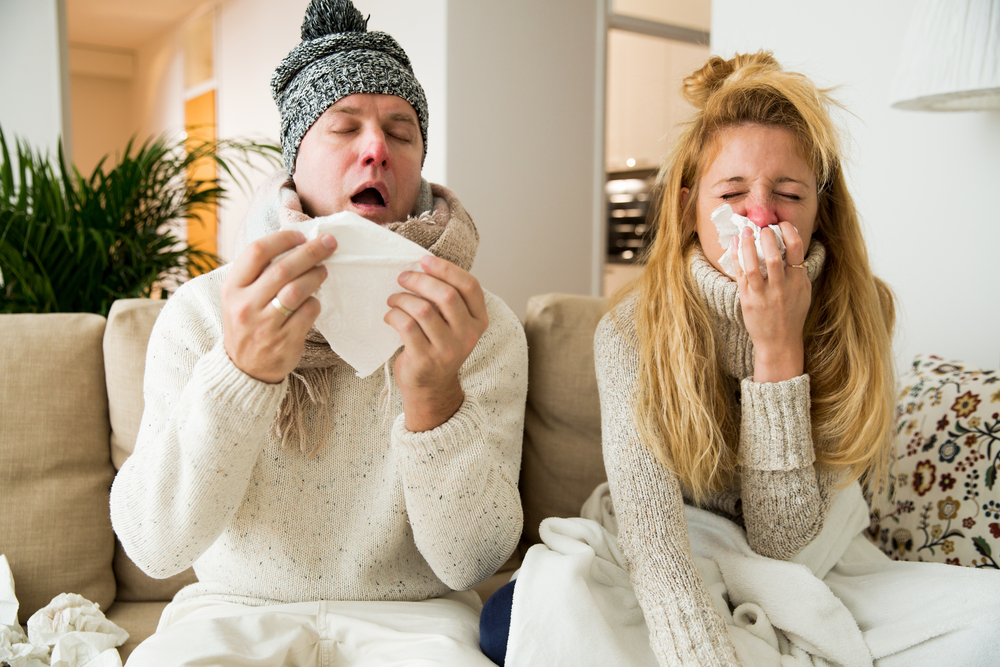
- Unexplained increases in allergy or respiratory symptoms among household members
- Excessive dust buildup around vents and registers
If you notice any of these issues, it’s wise to consult a professional for inspection and cleaning. Regular maintenance is also a key part of HVAC maintenance and health, ensuring your system is not contributing to indoor air quality problems.
Best Practices for Cleaner Indoor Air
While it’s not possible to eliminate all bacteria from your home, there are steps you can take to significantly reduce their presence in your air supply:
- Invest in a high-quality air purifier with a HEPA filter for added protection
- Keep your home clean and free of dust and debris
- Address water leaks and sources of excess moisture promptly
- Encourage good ventilation by opening windows when weather permits
- Follow a regular schedule for HVAC filter replacement and duct cleaning
You can also learn more about managing pet-related allergens in our article on pet dander in air ducts.
FAQ: Bacteria and Your Home’s Ventilation System
How often should I clean my air ducts to prevent bacterial buildup?
Most experts recommend having your air ducts professionally cleaned every 3–5 years, or more frequently if you notice signs of contamination such as mold, odors, or increased allergy symptoms. Regular filter changes and routine maintenance also help keep bacteria at bay.
Are all air filters effective at capturing bacteria?
Not all filters are created equal. HEPA and electrostatic filters are designed to capture smaller particles, including many bacteria, more effectively than standard fiberglass filters. Always check the filter’s MERV rating and choose one appropriate for your system and needs.
Can using an air purifier help reduce bacteria spread from vents?
Yes, a quality air purifier equipped with a HEPA filter can help trap airborne bacteria and other contaminants, reducing their circulation in your home. For best results, use purifiers in high-traffic areas and maintain your HVAC system regularly.
What else can I do to improve indoor air quality?
In addition to maintaining your HVAC system and using effective filters, controlling humidity, cleaning regularly, and ventilating your home naturally can all contribute to better air quality. For further reading, consult the EPA’s indoor air quality resources.
By staying proactive and informed, you can help ensure that your home’s ventilation system supports a healthy living environment, rather than undermining it.