The quality of the air inside your living space can significantly impact your health and comfort. Many people are unaware of the variety of airborne contaminants in home environments, ranging from dust and pollen to mold spores and volatile organic compounds (VOCs). These pollutants can aggravate allergies, trigger asthma, and contribute to other respiratory issues. Understanding the sources and effects of these particles is the first step toward creating a cleaner, healthier indoor environment.
This guide explores the most common indoor air pollutants, their health implications, and practical strategies for reducing their presence. Whether you’re dealing with seasonal allergies, worried about dust buildup, or simply want to breathe easier, you’ll find actionable tips to help maintain a safer atmosphere at home.
If you’re concerned about dust and its impact on your respiratory system, you may also want to read about dust in HVAC system and lungs for more insights into how your home’s ventilation can affect your well-being.
Understanding Common Indoor Air Pollutants
The air inside your home can contain a mix of particles and gases, many of which are invisible to the naked eye. Some of the most prevalent airborne contaminants in home settings include:
- Dust and Dust Mites: Tiny particles from skin cells, fabric fibers, and soil can accumulate on surfaces and become airborne, often carrying dust mites that can trigger allergies.
- Pollen: Outdoor pollen can enter through open windows and doors, causing seasonal discomfort for allergy sufferers.
- Mold Spores: Moist environments promote mold growth, releasing spores that can lead to respiratory irritation and other health problems.
- Pet Dander: Proteins found in animal skin flakes, saliva, and urine can become airborne and act as allergens.
- Volatile Organic Compounds (VOCs): Emitted by paints, cleaning products, and some furnishings, VOCs can contribute to headaches, dizziness, and long-term health risks.
- Bacteria and Viruses: Microorganisms can circulate through the air, especially in poorly ventilated spaces.
- Smoke and Combustion Byproducts: Tobacco smoke, cooking fumes, and emissions from fireplaces or stoves can introduce harmful particles and gases.
Health Effects of Indoor Air Pollution
The impact of airborne contaminants in home environments varies depending on the type and concentration of pollutants, as well as individual sensitivities. Common symptoms and health issues include:
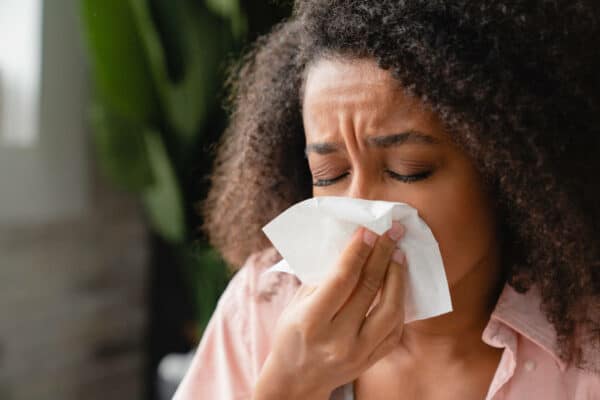
- Allergic reactions such as sneezing, runny nose, and itchy eyes
- Asthma attacks and respiratory distress
- Sinus irritation and headaches
- Fatigue and difficulty concentrating
- Long-term exposure risks, including chronic respiratory diseases
People with pre-existing conditions, young children, and the elderly are especially vulnerable to the effects of poor indoor air quality. For more information on warning signs, see the article on signs of poor indoor air quality.
Sources of Airborne Particles and Gases Indoors
To effectively reduce indoor air pollution, it’s important to identify where contaminants originate. Major sources include:
- HVAC Systems: Dust, mold, and bacteria can accumulate in ducts and filters, circulating throughout the home.
- Household Activities: Cooking, cleaning, and hobbies like painting or crafting can release particles and chemicals.
- Building Materials and Furnishings: Carpets, upholstered furniture, and certain paints or adhesives can emit VOCs over time.
- Pets: Animals shed dander and may track in pollen or dirt from outdoors.
- Outdoor Air: Pollutants can enter through open windows, doors, or ventilation systems.
Regular maintenance and mindful product choices can help limit the introduction and spread of these substances.

Effective Strategies to Reduce Indoor Air Contaminants
Minimizing airborne contaminants in home environments requires a combination of regular cleaning, proper ventilation, and the use of specialized equipment. Here are some proven methods:
- Improve Ventilation: Open windows when weather allows, use exhaust fans in kitchens and bathrooms, and consider mechanical ventilation systems to bring in fresh air.
- Use High-Quality Air Filters: Upgrade to HEPA or electrostatic filters in your HVAC system to capture fine particles. Change filters regularly to maintain efficiency.
- Control Humidity: Keep indoor humidity between 30% and 50% to discourage mold growth and dust mite populations. Use dehumidifiers in damp areas.
- Clean Regularly: Dust and vacuum with a HEPA-filtered vacuum cleaner. Wash bedding, curtains, and pet beds frequently to reduce allergen buildup.
- Limit VOCs: Choose low-VOC or VOC-free paints, cleaning products, and furnishings. Store chemicals in tightly sealed containers and use them in well-ventilated areas.
- Address Mold Promptly: Fix leaks and water damage quickly. Use anti-mold sprays in HVAC systems and on surfaces prone to moisture.
- Control Pet Dander: Bathe and groom pets regularly. Keep them out of bedrooms and off upholstered furniture if allergies are a concern.
- Consider Air Purifiers: Portable HEPA air purifiers can help remove particles from the air in bedrooms, living rooms, and other high-use areas.
For more detailed guidance on how duct cleaning can support these efforts, see how duct cleaning affects air quality.
Special Considerations for Sensitive Individuals
Those with asthma, allergies, or other respiratory conditions need to be especially vigilant about indoor air quality. Even small amounts of certain pollutants can trigger symptoms. In addition to the general strategies above, consider:
- Using mattress and pillow covers to reduce dust mite exposure
- Keeping windows closed during high pollen seasons
- Monitoring indoor air with air quality sensors
- Consulting healthcare providers for personalized advice
If you or a family member experiences unexplained sinus discomfort, you may find helpful information in the article on sinus irritation from vents.
Maintaining Clean Air: Ongoing Habits and Monitoring
Keeping your home’s air as clean as possible is an ongoing process. Regularly inspect and maintain HVAC systems, replace filters as recommended, and stay alert to any changes in air quality or health symptoms. Consider using indoor air quality monitors to track pollutant levels and identify potential problems early.
For those interested in asthma prevention, the article on asthma triggers from dirty ducts provides additional strategies for reducing risk factors in your living space.
For a comprehensive overview of indoor air pollution and its health impacts, you can also consult NHS guidance on indoor air pollution.
Frequently Asked Questions
What are the most common airborne pollutants found in homes?
The most frequent indoor air contaminants include dust, pollen, mold spores, pet dander, VOCs from household products, and smoke from cooking or tobacco. These can originate from both indoor and outdoor sources and may accumulate over time if not properly managed.
How can I tell if my home has poor air quality?
Signs of inadequate indoor air include persistent dust, musty odors, frequent allergy symptoms, or visible mold growth. If you notice these issues, it may be time to assess your cleaning routines, ventilation, and air filtration systems.
Are air purifiers effective for reducing indoor contaminants?
Yes, high-efficiency particulate air (HEPA) purifiers can capture many common airborne particles, including dust, pollen, and pet dander. For best results, choose a purifier sized for your room and maintain it according to the manufacturer’s instructions.