When your air conditioning emits a foul odor, it’s more than just an inconvenience; it can affect the comfort and health of your living or working environment. Tackling this issue is crucial, not only for maintaining a pleasant atmosphere but also for ensuring the efficiency and longevity of your HVAC system. In this article, we delve into effective solutions for when your air conditioning smells bad, helping you restore that fresh, clean air you deserve.
Understanding the Cause of Odors in Your Air Conditioning
To address the problem of a smelly air conditioner, one must first understand the potential causes of these unpleasant odors. Common culprits include mold and mildew buildup, dead animals in the vents, or even dirty filters. Each cause calls for a different solution, so identifying the root issue is critical.
Common Causes of Bad Smells
Here are some typical reasons your air conditioning might start to smell:
- Mold and Mildew: Often caused by excess moisture, these fungi can grow in your unit’s drip lines, evaporator coils, or ductwork.
- Dirty Filters: Filters trapped with dust and debris can emit a musty smell.
- Dead Animals: Small animals can enter the ductwork and, unfortunately, may perish inside, leading to a rotten odor.
Solutions for a Smelly Air Conditioning
Once you’ve identified the source, you can move on to finding solutions for your smelly air conditioning.
Regular Maintenance
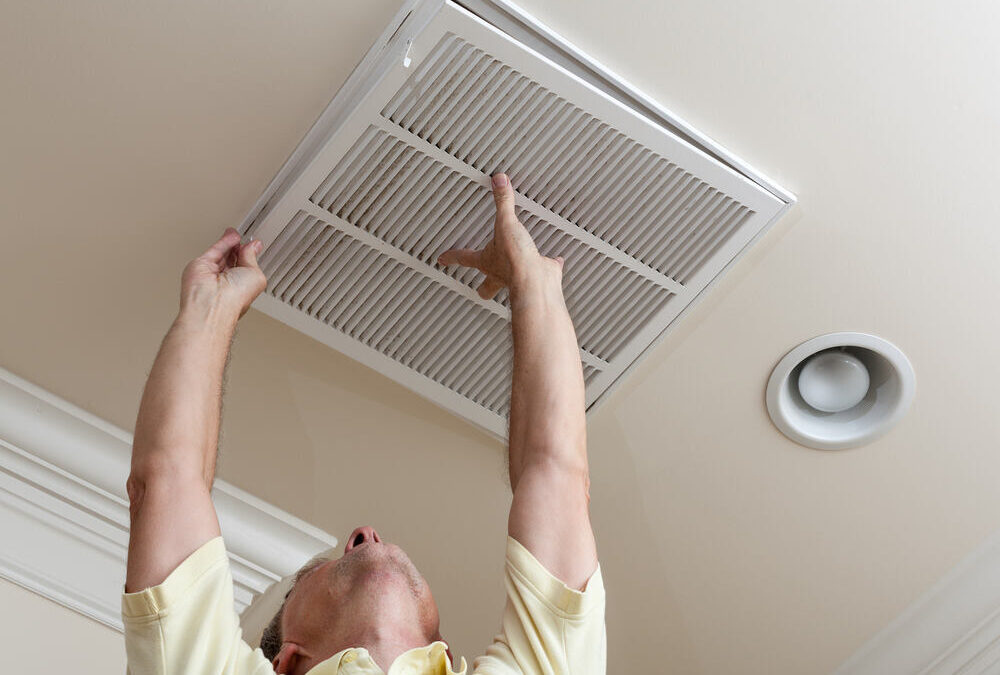
One of the simplest solutions is to maintain your unit regularly. This includes changing filters every 1-3 months, cleaning the evaporator coils, and ensuring that the drainage lines are clear of debris.
Professional Cleaning Services
For those who prefer leaving it to the professionals, scheduling a regular cleaning service can be beneficial. Experts can identify issues that might not be visible to the untrained eye and help prevent future problems. For more information, you can check this link.
Use of Air Purifiers
Installing air purifiers can help reduce the spread of mold spores and other contaminants, keeping your air fresh and clean. Learn more about air purification options at this external resource.
Preventive Measures
Prevention is always better than cure. By taking proactive steps, you can ensure that your air conditioning remains odor-free.
Ensure Proper Ventilation
Good ventilation helps in reducing moisture levels in your home, thereby preventing mold growth. Make sure your home is well-ventilated, especially in areas prone to humidity.
Regular Inspection
Conducting regular inspections can help you catch potential problems early. Look out for signs of wear and tear or unusual noises.
When to Call a Professional
If the odor persists despite your best efforts, it may be time to call a professional HVAC technician. They can provide a comprehensive diagnosis and offer advanced solutions to your problem.
Conclusion
While a smelly air conditioner can be bothersome, understanding the causes and implementing the right solutions can restore your air quality. Remember, regular maintenance and preventive measures are key to keeping your air conditioning system working efficiently and odor-free. For more tips on maintaining your HVAC system, visit this page.

FAQs
Why does my air conditioner smell musty?
A musty smell often indicates mold or mildew within the unit or ductwork, typically due to excess moisture.
Can dirty filters cause bad smells?
Yes, dirty filters can harbor dust and debris, leading to a musty odor. It’s important to replace them regularly.
How often should I have my air conditioning serviced?
Ideally, you should have your air conditioning system serviced at least once a year to ensure optimal performance.
This article contains affiliate links. We may earn a commission at no extra cost to you.