Many people rely on air conditioning to stay comfortable, especially during the warmer months. However, concerns often arise about whether cooling systems might worsen allergy symptoms or help relieve them. Understanding the relationship between air conditioning and allergies is essential for anyone looking to maintain a healthy indoor environment and minimize triggers that can cause sneezing, congestion, or even asthma flare-ups.
This article explores how cooling systems can both help and hinder allergy sufferers, what contaminants may circulate indoors, and the best steps to take for cleaner, healthier air. We’ll cover practical strategies, common misconceptions, and expert-backed advice to help you breathe easier at home.
For those interested in learning more about related indoor air quality topics, see our guide on humid air and mold in ducts for additional insights into keeping your HVAC system clean and safe.
How Cooling Systems Impact Indoor Allergens
Air conditioning units do more than just cool the air—they also circulate it throughout your home. This circulation can have both positive and negative effects on allergy symptoms, depending on the condition of your system and how well it’s maintained.
- Filtration: Most modern systems use filters to trap dust, pollen, pet dander, and other particles. However, if filters are dirty or low-quality, they may allow allergens to recirculate.
- Humidity Control: Cooling systems help reduce indoor humidity, which can discourage the growth of mold and dust mites—both common triggers for allergies.
- Potential for Mold: If condensation builds up inside ducts or units, it can foster mold growth, which may then be distributed throughout your home.
Proper maintenance is key. Neglecting filter changes or allowing moisture to accumulate can turn your cooling system from an ally into a source of irritation.
Common Allergens Found in Air Conditioned Spaces
Even with a well-functioning system, certain allergens can persist indoors. Understanding what might be lurking in your air can help you take targeted action.

- Dust Mites: Thrive in humid environments but can persist in dust trapped within ducts and filters.
- Pollen: Can enter homes through open windows or doors and may be distributed by the system if not properly filtered.
- Mold Spores: Grow in damp areas of the system and can be blown into living spaces.
- Pet Dander: Lightweight particles that easily become airborne and circulate through vents.
Regular cleaning and high-quality filtration are essential to minimize these contaminants. For more on the role of filters, see our article on air filters and respiratory health.
Best Practices for Allergy-Friendly Cooling
To reduce the impact of air conditioning and allergies, consider the following steps:
- Upgrade Your Filters: Use HEPA or electrostatic filters to capture finer particles. Change or clean them regularly as recommended by the manufacturer.
- Control Humidity: Keep indoor humidity between 30% and 50% to discourage mold and dust mites. Many modern systems have built-in dehumidifiers.
- Schedule Regular Maintenance: Have your system inspected and cleaned at least once a year. This includes cleaning coils, checking for leaks, and ensuring proper drainage.
- Clean Ducts and Vents: Dust and debris can accumulate in ducts over time. Professional cleaning can help reduce allergen buildup. For tips, check our guide on vent cleaning for sinus health.
- Seal Leaks: Ensure windows and doors are properly sealed to prevent outdoor allergens from entering.
- Monitor for Mold: Watch for musty odors or visible mold growth around vents and units. Address moisture issues promptly and consider using anti-mold sprays designed for HVAC systems.
Recognizing Signs of Allergy Triggers Indoors
It’s not always obvious when your cooling system is contributing to allergy symptoms. Common signs include:
- Increased sneezing, runny nose, or itchy eyes when indoors
- Worsening asthma or respiratory symptoms at home
- Visible dust buildup around vents or registers
- Musty or damp odors, which may indicate mold
- Frequent filter clogging or discoloration
If you notice these issues, it may be time to inspect your system or consult a professional. For more information on symptoms related to poor indoor air, see this comprehensive overview of poor indoor air quality symptoms.
Preventing Mold and Other Problems in Cooling Systems
Mold is a significant concern for those with allergies. Moisture from condensation, leaks, or high humidity can create ideal conditions for mold to grow inside ducts, coils, or drip pans. To prevent this:
- Check for leaks or standing water around your unit
- Ensure proper drainage and clean drip pans regularly
- Use anti-mold sprays specifically designed for HVAC systems
- Consider professional duct cleaning if you suspect contamination
For more details on detection and prevention, see our resource on mold growth in HVAC units.
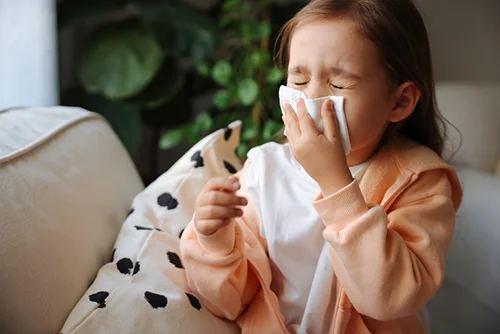
Tips for Allergy Sufferers Using Air Conditioning
Those sensitive to airborne irritants can take several steps to reduce symptoms while enjoying the comfort of cooled air:
- Keep windows and doors closed during high pollen seasons
- Vacuum and dust regularly to prevent buildup
- Use portable air purifiers with HEPA filters in bedrooms or living areas
- Shower and change clothes after spending time outdoors to avoid bringing pollen inside
- Monitor local air quality reports and adjust indoor activities accordingly
For additional advice on maintaining respiratory health, our article on dirty filters and breathing problems offers more practical tips.
Frequently Asked Questions
Can air conditioning make allergies worse?
If not properly maintained, cooling systems can circulate dust, pollen, mold spores, and other allergens, potentially worsening symptoms. However, with clean filters and regular upkeep, they can also help reduce indoor allergens.
What type of filter is best for allergy sufferers?
HEPA and electrostatic filters are highly effective at trapping small particles such as pollen, pet dander, and dust mites. Changing or cleaning filters as recommended is crucial for optimal performance.
How often should I clean my air conditioning system?
Filters should be checked monthly and replaced or cleaned as needed. Professional maintenance, including duct and coil cleaning, is generally recommended at least once a year, or more often if you have pets or live in a high-pollen area.
Is mold a common problem in cooling systems?
Mold can develop in areas with excess moisture, such as drip pans or inside ducts. Regular inspection, proper drainage, and using anti-mold sprays can help prevent growth and protect sensitive individuals.
Conclusion
The connection between air conditioning and allergies is complex, but with the right strategies, your cooling system can be a valuable tool for maintaining a healthier home. Prioritize regular maintenance, use high-quality filters, and stay vigilant for signs of moisture or mold. By taking these steps, you can enjoy comfortable indoor temperatures without sacrificing air quality or your well-being.