Indoor air quality is a crucial factor in maintaining good health, yet it’s often overlooked in everyday life. When heating, ventilation, and air conditioning (HVAC) systems are neglected, dust, mold, and other contaminants can accumulate inside air ducts. This buildup may lead to a range of respiratory issues from dirty air ducts, affecting everyone in the household—especially children, seniors, and those with allergies or asthma.
Understanding how unclean ductwork contributes to breathing difficulties is essential for prevention and overall well-being. In this article, we’ll examine the sources of indoor air pollution, the health symptoms to watch for, and practical steps you can take to reduce airborne hazards. For more information on recognizing signs of unhealthy indoor air, the American Lung Association provides helpful guidelines.
How Dirty Air Ducts Affect Indoor Air Quality
Over time, air ducts can collect dust, pollen, pet dander, mold spores, and even bacteria. When your HVAC system operates, these particles are circulated throughout your home, potentially leading to respiratory issues from dirty air ducts. The more contaminants present, the greater the risk to your respiratory health.
Common sources of duct contamination include:
- Accumulated dust and debris from daily living
- Mold growth due to moisture or condensation in the ducts
- Pollen and outdoor allergens entering through vents
- Pet hair and dander
- Rodent or insect infestations leaving droppings or remains
When these pollutants are present, they can be released into the air every time the HVAC system runs, making it difficult to maintain a healthy indoor environment.
Common Respiratory Symptoms Linked to Air Duct Contamination
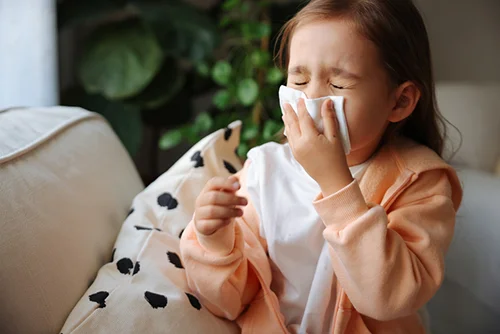
Exposure to airborne particles from dirty ductwork can trigger a variety of respiratory symptoms. Some people may notice mild discomfort, while others experience more severe reactions. Typical signs include:
- Frequent coughing or sneezing
- Shortness of breath or wheezing
- Aggravated asthma or allergy symptoms
- Sinus congestion and headaches
- Dry, itchy, or sore throat
- Fatigue or difficulty concentrating
Individuals with pre-existing respiratory conditions, such as asthma or chronic obstructive pulmonary disease (COPD), are especially vulnerable to the effects of poor indoor air quality. Children and the elderly may also be at increased risk.

Who Is Most at Risk for Breathing Problems?
Not everyone reacts the same way to airborne contaminants. Certain groups are more likely to suffer from respiratory issues from dirty air ducts:
- Children: Their developing lungs and immune systems make them more sensitive to irritants.
- Seniors: Older adults often have weaker immune responses and may have underlying health conditions.
- People with allergies or asthma: Even low levels of dust, pollen, or mold can trigger attacks or flare-ups.
- Individuals with compromised immune systems: Those undergoing medical treatments or living with chronic illnesses are at higher risk.
For these groups, even minor exposure to indoor pollutants can lead to significant health problems. Regular maintenance of HVAC systems is especially important in homes with vulnerable residents.
How to Identify Signs of Dirty Air Ducts
Recognizing when your ductwork needs attention can help prevent health issues before they start. Look for these warning signs:
- Visible dust buildup around vents or registers
- Musty or unpleasant odors when the HVAC runs
- Frequent dust accumulation on furniture despite regular cleaning
- Unexplained allergy or asthma flare-ups
- Mold growth visible inside ducts or on vent covers
- Unusual noises or rattling from the ductwork
If you notice any of these indicators, it may be time to have your system inspected and cleaned by a professional.
Steps to Prevent Respiratory Problems from Air Duct Pollution
Keeping your home’s air clean requires a proactive approach. Here are some practical strategies to minimize the risk of breathing difficulties caused by contaminated ductwork:
- Schedule regular duct cleaning: Have your air ducts professionally cleaned every 3–5 years, or more often if you have pets, allergies, or live in a dusty area.
- Change HVAC filters frequently: Replace filters every 1–3 months to prevent dust and allergens from circulating.
- Use high-efficiency filters: Consider installing HEPA or electrostatic filters to trap smaller particles.
- Control humidity: Use dehumidifiers to keep indoor humidity below 50%, discouraging mold growth inside ducts.
- Address water leaks promptly: Fix any leaks or condensation problems to prevent mold and mildew.
- Keep vents and registers clean: Vacuum and wipe down vent covers regularly.
- Maintain your HVAC system: Schedule annual inspections and tune-ups to ensure optimal performance and air quality.
By following these steps, you can significantly reduce the amount of dust, allergens, and other contaminants in your home’s air supply.
When to Seek Professional Help
While regular maintenance can prevent many issues, there are times when professional intervention is necessary. Contact an HVAC specialist if you notice:
- Persistent musty or moldy odors
- Visible mold inside ducts or on vent covers
- Unexplained, ongoing respiratory symptoms in your household
- Evidence of rodent or insect infestation in ductwork
Professionals have the tools and expertise to thoroughly clean and sanitize your air ducts, restoring healthy airflow and reducing the risk of respiratory issues from dirty air ducts.
FAQ: Air Ducts and Respiratory Health
How often should air ducts be cleaned to prevent breathing problems?
Most experts recommend professional duct cleaning every 3–5 years. However, if you have pets, allergies, or notice visible dust or mold, more frequent cleaning may be necessary.
Can dirty air ducts cause long-term health effects?
Prolonged exposure to airborne contaminants from neglected ductwork can worsen allergies, asthma, and other respiratory conditions. In severe cases, it may contribute to chronic breathing problems or exacerbate existing illnesses.
What are the best filters to use for reducing indoor air pollution?
High-efficiency particulate air (HEPA) filters and electrostatic filters are effective at capturing small particles, including dust, pollen, and mold spores. Using these filters in your HVAC system can help minimize the risk of respiratory symptoms.
Is it possible to clean air ducts myself?
While you can vacuum vent covers and replace filters, thorough duct cleaning typically requires specialized equipment and expertise. For best results and safety, hire a certified professional.