Clean indoor air is essential for maintaining a healthy home environment, yet many families overlook the impact of their HVAC ductwork. Over time, dust, allergens, mold spores, and other contaminants can accumulate in air ducts, circulating through your living spaces every time the heating or cooling system runs. Understanding how dirty ducts affect family health is crucial for anyone concerned about indoor air quality and overall wellbeing.
Poorly maintained ductwork doesn’t just affect comfort—it can contribute to a range of health issues, from mild allergies to more serious respiratory conditions. By learning about the risks associated with neglected air ducts and how to address them, families can make informed decisions to protect their loved ones.
For a deeper look at related concerns, see airborne pollutants and respiratory disease and how they can impact your household.
Common Pollutants Found in Dirty Ducts
Air ducts can become a hidden reservoir for a variety of contaminants. As dust, pollen, pet dander, and even mold spores settle in the ductwork, they are recirculated throughout the home. Over time, this buildup can worsen indoor air quality and increase exposure to irritants.
- Dust and Debris: Everyday dust, skin flakes, and fibers from carpets and upholstery easily find their way into ducts.
- Allergens: Pollen, pet hair, and dander can accumulate, triggering allergic reactions in sensitive individuals.
- Mold and Mildew: Moisture in ducts creates an ideal environment for mold growth, which can release spores into the air.
- Bacteria and Viruses: Microorganisms may thrive in dirty ducts, especially if there is organic material or moisture present.
- Volatile Organic Compounds (VOCs): Chemicals from cleaning products, paints, or building materials can linger in ductwork and be redistributed indoors.
Health Risks Linked to Poor Indoor Air Quality
The presence of these contaminants in your home’s air supply can have a direct impact on the health of everyone living there. Some of the most common symptoms and conditions associated with dirty air ducts include:
- Allergy Symptoms: Sneezing, itchy eyes, runny nose, and congestion are often aggravated by airborne allergens.
- Asthma Attacks: Asthma sufferers may experience increased frequency and severity of attacks due to dust mites, mold, or pet dander.
- Respiratory Infections: Exposure to bacteria, viruses, or mold spores can lead to bronchitis, sinus infections, or even pneumonia.
- Fatigue and Headaches: Poor air quality can contribute to chronic tiredness, headaches, and difficulty concentrating.
- Worsening of Chronic Conditions: Individuals with COPD or other respiratory diseases may notice their symptoms intensify.
For more information on minimizing risks, explore our guide on airborne irritants in home air and practical steps to reduce them.
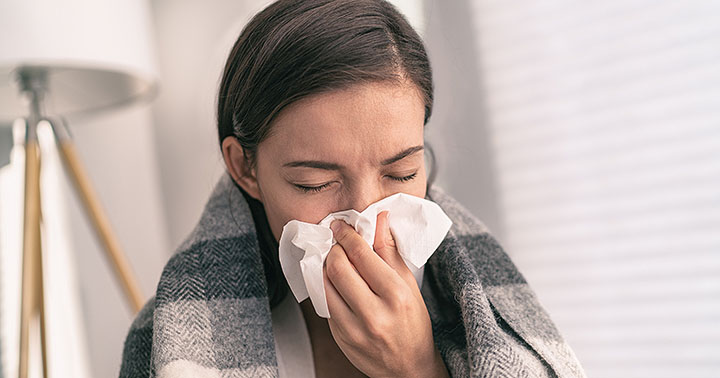
How Dirty Ducts Affect Family Health: Key Warning Signs
Recognizing the signs that your ductwork may be compromising your family’s wellbeing is the first step toward a healthier home. Some indicators are subtle, while others are more obvious:
- Frequent dust buildup on surfaces, even after cleaning
- Unexplained allergy or asthma flare-ups
- Musty or unpleasant odors coming from vents
- Visible mold growth around vents or inside ductwork
- Family members experiencing more colds or respiratory infections than usual
If you notice these symptoms, it’s important to consider the role your HVAC system may be playing. For a comprehensive list of red flags, check out 10 signs of poor indoor air quality and how to address them.
Who Is Most at Risk from Contaminated Ducts?
While everyone can be affected by poor air quality, certain groups are more vulnerable to the effects of dirty ductwork:
- Children: Young lungs are still developing and are more sensitive to airborne irritants.
- Older Adults: Seniors often have weaker immune systems and may be more susceptible to respiratory problems.
- People with Allergies or Asthma: Those with pre-existing respiratory conditions are at higher risk for flare-ups.
- Pets: Animals can also suffer from poor air quality, exhibiting symptoms like sneezing, coughing, or lethargy.
If your household includes any of these groups, regular duct maintenance is especially important. For more on how home ventilation impacts health, see our article on the effects of poor ventilation on lungs and overall wellbeing.

Reducing Health Risks: Steps for Cleaner Air Ducts
Taking action to minimize the impact of dirty ducts on your family’s health doesn’t have to be complicated. Here are practical steps to improve your home’s air quality:
- Schedule Professional Duct Cleaning: Experts use specialized equipment to remove accumulated dust, debris, and mold from your ductwork.
- Change Air Filters Regularly: High-quality filters, such as HEPA or electrostatic models, trap more particles and prevent them from circulating.
- Control Humidity: Keeping indoor humidity below 50% discourages mold growth inside ducts.
- Use Air Purifiers: Devices with HEPA filters can capture airborne allergens and particles that escape duct filters.
- Seal Leaks and Insulate Ducts: Properly sealed and insulated ducts prevent contaminants from entering and help maintain system efficiency.
- Inspect for Mold: Regularly check vents and visible ductwork for signs of mold and address any moisture issues promptly.
For more on the connection between HVAC systems and air quality, see our in-depth resource on how HVAC affects indoor air.
Benefits of Clean Ducts for Family Wellbeing
Investing in duct maintenance offers more than just peace of mind. Families often notice tangible improvements, such as:
- Reduced allergy and asthma symptoms
- Fewer respiratory illnesses and infections
- Improved sleep quality and overall comfort
- Elimination of musty odors and fresher indoor air
- Enhanced performance and lifespan of HVAC equipment
If allergies are a concern, learn more about duct cleaning for allergy relief and how it can benefit your household.
FAQ: Dirty Ducts and Your Family’s Health
How often should air ducts be cleaned to protect family health?
Most experts recommend professional duct cleaning every three to five years, or more frequently if you have pets, allergies, or live in an area with high dust or pollen. If you notice visible mold, excessive dust, or unexplained health symptoms, consider scheduling a cleaning sooner.
Can dirty ducts cause long-term health problems?
Prolonged exposure to contaminants from unclean ducts can contribute to chronic respiratory issues, worsen allergies, and increase the risk of infections. Vulnerable groups, such as children, seniors, and those with pre-existing conditions, are especially at risk.
What are the best ways to prevent duct contamination?
Use high-efficiency filters, change them regularly, control indoor humidity, and ensure your HVAC system is serviced annually. Address water leaks promptly and consider using air purifiers to capture airborne particles before they enter the ductwork.
Is duct cleaning always necessary, or are there alternatives?
While regular filter changes and humidity control can help, professional duct cleaning is the most effective way to remove deep-seated contaminants. However, maintaining your HVAC system and using quality filters can reduce the need for frequent cleanings.