Keeping air ducts clean and safe is essential for healthy indoor air and efficient HVAC system performance. Professionals and building owners alike turn to duct camera inspection NADCA guidelines to ensure that inspections are thorough, standardized, and reliable. The National Air Duct Cleaners Association (NADCA) has established a set of best practices for using cameras to inspect ductwork, helping to identify issues like blockages, contamination, and damage that might otherwise go unnoticed.
This article breaks down the core principles behind these standards, what to expect during a camera-based duct inspection, and why following NADCA’s recommendations matters for both safety and compliance. For those interested in the technical side of inspections, you can also learn more about duct camera inspection safety precautions to ensure every job is performed securely.

Understanding NADCA’s Role in Duct Inspection Standards
The National Air Duct Cleaners Association is a leading authority on HVAC system cleaning and inspection. Their published guidelines serve as the industry benchmark for quality and safety. By adhering to these standards, technicians ensure that inspections are consistent, thorough, and meet regulatory requirements.
NADCA’s recommendations cover everything from the types of cameras used to the documentation and reporting of findings. This framework helps property owners and service providers achieve reliable results, reduce liability, and maintain healthy indoor environments.
Key Elements of Duct Camera Inspection According to NADCA
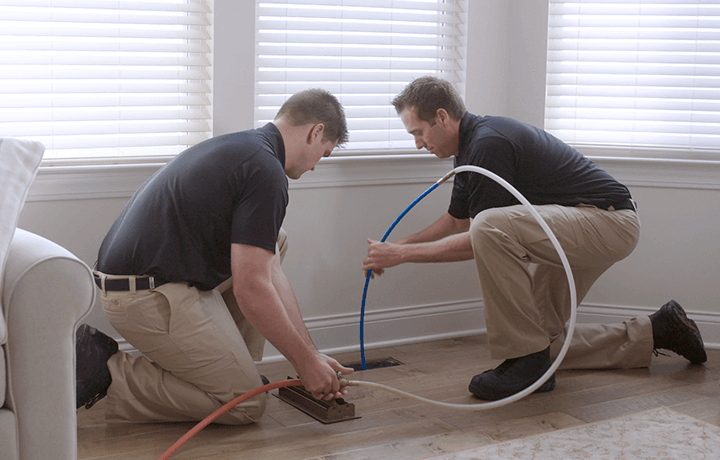
A duct camera inspection involves inserting a specialized camera into the ductwork to visually assess the system’s condition. NADCA’s guidelines specify several important aspects:
- Camera Selection: The guidelines recommend using cameras capable of capturing high-resolution images or video, with adequate lighting to reveal dust, debris, microbial growth, and structural issues.
- Inspection Protocol: Technicians should follow a systematic approach, inspecting all accessible sections of the ductwork, including main trunks and branches, to ensure no area is overlooked.
- Documentation: Clear, dated images or videos should be recorded and included in the inspection report. This documentation supports maintenance planning and can be used for insurance or compliance purposes.
- Reporting: Findings must be communicated clearly to the client, with recommendations for cleaning, repairs, or further investigation if needed.
Why Following NADCA’s Camera Inspection Guidelines Matters
Adhering to NADCA’s inspection standards offers several benefits:
- Health and Safety: Identifying contaminants like mold, dust, and pest debris helps prevent respiratory issues and allergic reactions.
- System Efficiency: Detecting blockages or leaks allows for timely repairs, improving airflow and reducing energy consumption.
- Compliance: Many commercial and institutional buildings require proof of inspection and cleaning according to recognized standards.
- Transparency: Visual evidence builds trust with clients and provides a clear basis for any recommended work.
For a deeper dive into the technology used, see our overview of duct camera inspection equipment explained.
How a Typical Camera-Based Duct Inspection Works
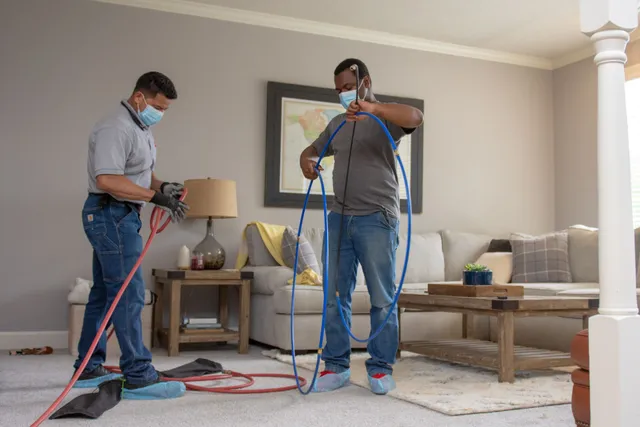
The process begins with a pre-inspection assessment, where the technician reviews building plans and identifies access points. Using a flexible or robotic camera system, the inspector navigates the ductwork, capturing images and video as they go. NADCA’s protocols ensure that every accessible section is checked, with particular attention paid to areas prone to buildup or damage.
After the inspection, the technician compiles a report with annotated visuals, highlighting any issues found. Recommendations for cleaning, sealing, or repairs are based on the documented evidence, ensuring that clients have a clear understanding of their system’s condition.
Best Practices for Technicians: Staying Aligned with NADCA’s Recommendations
Professionals performing duct inspections should always:
- Use high-quality camera equipment suitable for the duct size and complexity.
- Follow a logical inspection sequence, moving from main trunks to smaller branches.
- Record and store all images and videos securely, maintaining client confidentiality.
- Provide clients with a clear, jargon-free summary of findings and next steps.
- Stay updated on the latest duct camera inspection NADCA guidelines and attend regular training.
For more information about advanced inspection systems, explore our resource on robotic duct camera inspection systems.
Common Issues Detected During Camera Inspections
Using cameras in accordance with NADCA’s standards allows technicians to spot a range of problems, including:
- Accumulated dust, dirt, and debris
- Mold growth or water damage
- Signs of pest infestation
- Physical damage, such as cracks or disconnected joints
- Improperly installed or deteriorated insulation
Early detection of these issues helps prevent costly repairs and improves indoor air quality. For a comprehensive look at regulatory requirements, see our duct camera inspection building codes overview.
Choosing a Qualified Duct Inspection Provider
When selecting a service provider, look for companies that are NADCA-certified and have a track record of following industry standards. Ask about their inspection process, the type of camera equipment they use, and how they document and report findings.
A reputable provider will be transparent about their methods and happy to share sample reports or references. For more details on what to expect, you can review this comprehensive guide to HVAC duct camera inspections from an industry leader.
FAQ: Duct Camera Inspections and NADCA Standards
What is the purpose of using a camera for duct inspections?
Cameras allow technicians to visually assess the interior of ductwork, identifying hidden problems like blockages, mold, or damage. This approach ensures a more accurate and thorough inspection compared to visual checks alone.
How often should air ducts be inspected according to NADCA?
NADCA recommends inspecting air ducts every three to five years, or more frequently in environments with high dust, moisture, or potential contamination. Regular inspections help maintain system efficiency and indoor air quality.
Can I request a copy of the inspection images or video?
Yes, reputable service providers following NADCA’s guidelines will include images or video in their inspection report. This documentation helps you understand the condition of your ductwork and supports any recommendations for cleaning or repairs.