Maintaining a healthy and efficient indoor environment is a top priority for modern businesses. One essential aspect of facility management is ensuring that air ducts remain clean, functional, and free of hidden issues. Duct camera inspection for offices has become a vital tool for property managers, building engineers, and cleaning contractors. By using specialized cameras to visually examine the inside of ductwork, organizations can identify blockages, leaks, contamination, and wear that might otherwise go unnoticed.
This article explores how video-based duct inspections work, why they’re crucial for commercial spaces, and what benefits they offer over traditional inspection methods. We’ll also cover best practices, safety, and how to choose the right inspection approach for your workspace.

For those interested in the technical and safety aspects of these inspections, it’s helpful to review duct camera inspection safety precautions before starting any project.
Why Visual Inspections Matter in Commercial Ductwork
Office buildings and workspaces rely on HVAC systems to circulate clean, conditioned air. Over time, dust, debris, mold, and even pests can accumulate inside ductwork. Traditional inspection methods—such as manual checks or simple airflow measurements—often miss hidden problems. That’s where duct camera inspection for offices stands out, providing a real-time, high-resolution look inside the system.
- Early detection: Cameras reveal blockages, leaks, or corrosion before they cause major issues.
- Improved air quality: Identifying and removing contaminants helps maintain a healthier environment for employees and visitors.
- Energy efficiency: Clean, well-maintained ducts reduce strain on HVAC systems, lowering energy costs.
- Documentation: Video and photo records support maintenance planning and compliance with building codes.
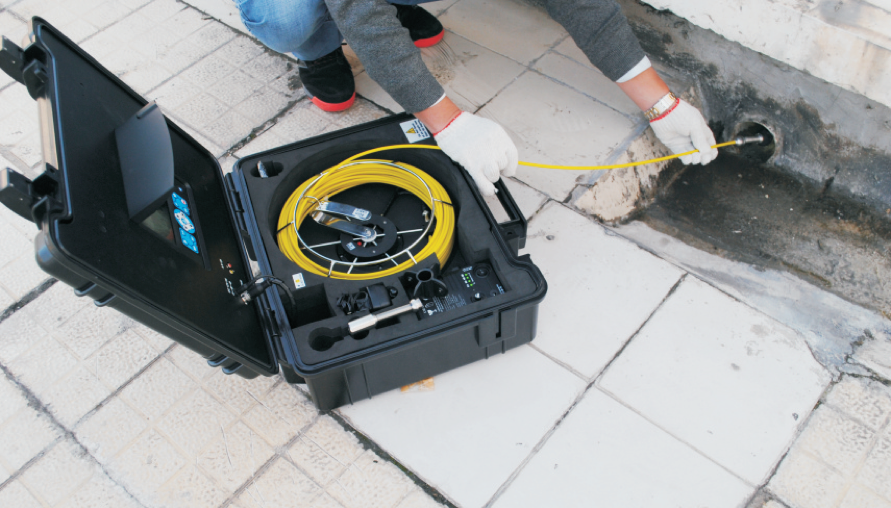
How Duct Camera Inspections Work in Office Settings
The process involves inserting a small, flexible camera—often mounted on a cable or robotic crawler—into the ductwork. Operators view live footage on a monitor, guiding the camera through bends, branches, and hard-to-reach sections. This approach is especially valuable in commercial buildings, where duct systems can be extensive and complex.
The main steps include:
- Preparation: Identify access points and isolate HVAC zones as needed.
- Insertion: Carefully feed the camera into the duct, ensuring minimal disruption to building operations.
- Inspection: Record video and capture images of any anomalies, such as buildup, damage, or obstructions.
- Reporting: Compile findings into a report, often with annotated visuals for clarity.
- Remediation: Plan cleaning or repairs based on the documented issues.
For a deeper understanding of the technology used, see this duct camera inspection equipment explained guide.
Key Benefits of Duct Camera Inspection for Offices
There are several distinct advantages to using cameras for inspecting ductwork in business environments:
- Non-invasive assessment: No need to dismantle large sections of ducting or disrupt daily operations.
- Accurate diagnostics: Pinpoint the exact location and nature of problems, reducing guesswork and unnecessary repairs.
- Compliance support: Many local and national building codes require regular inspection and maintenance of air systems. Camera footage provides clear evidence for audits and regulatory checks. For more information, review this overview of building codes related to duct inspections.
- Cost savings: By addressing issues early, businesses can avoid expensive emergency repairs and extend the life of their HVAC systems.
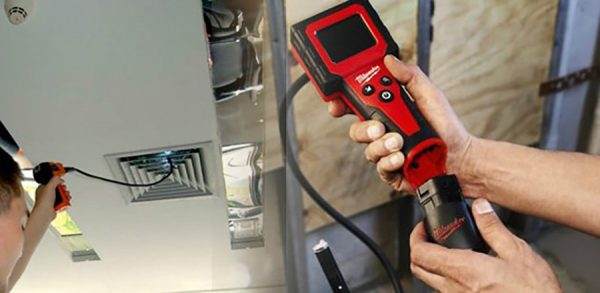
Choosing the Right Inspection Approach for Your Workspace
Not all office buildings have the same needs. Factors such as duct size, layout complexity, and the presence of sensitive equipment can influence the choice of inspection tools and techniques. Some organizations benefit from advanced solutions like robotic duct camera inspection systems, which are ideal for large or intricate duct networks.
When selecting an inspection provider or equipment, consider:
- Camera capabilities: Look for high-resolution imaging, flexible navigation, and recording features.
- Operator expertise: Trained technicians can interpret footage accurately and recommend effective solutions.
- Reporting standards: Comprehensive, easy-to-understand reports support better decision-making and compliance.
- Safety protocols: Ensure that all work follows established safety guidelines for duct camera inspections.
Best Practices for Maintaining Clean and Efficient Ducts
Regular inspection is just one part of a comprehensive duct maintenance strategy. To maximize the benefits of visual assessments in commercial settings:
- Schedule inspections annually or after major renovations or HVAC upgrades.
- Document findings and track changes over time to identify recurring issues.
- Combine camera inspections with professional cleaning for optimal results.
- Educate staff about the importance of air quality and prompt reporting of HVAC concerns.
For those new to the field, the NADCA guide for new technicians offers a comprehensive overview of air duct inspection procedures and best practices.
Frequently Asked Questions
What types of problems can duct cameras detect in office buildings?
Duct cameras are effective at identifying a range of issues, including dust and debris buildup, mold growth, pest infestations, water damage, corrosion, and physical blockages. They can also reveal leaks or gaps in ductwork that may impact HVAC efficiency and indoor air quality.
How often should commercial ducts be inspected with a camera?
Most experts recommend annual inspections for typical office environments. However, buildings with high occupancy, recent construction, or known air quality issues may require more frequent assessments. Regular checks help ensure early detection of problems and support ongoing maintenance.
Is duct camera inspection disruptive to daily office operations?
Camera-based inspections are minimally invasive. Technicians can access ducts through existing panels or vents, and the process usually does not require shutting down the entire HVAC system. Scheduling inspections outside of peak hours can further reduce any impact on staff or business activities.