Indoor air quality is a crucial factor in maintaining good respiratory health. Many people are unaware that dirty filters and breathing problems are closely linked, especially in homes and workplaces with central heating, ventilation, and air conditioning systems. When filters become clogged with dust, pollen, mold, and other contaminants, the air you breathe can become polluted, leading to a range of health issues. Recognizing the warning signs and understanding how to address them can help protect your family’s well-being.
This article will outline the most common symptoms associated with poor air filtration, explain how neglected filters can contribute to respiratory discomfort, and provide practical steps for prevention and maintenance. For those interested in broader air quality concerns, you may also want to read about the dust buildup in vents and coughing and how it can impact your health.
How Dirty Filters Affect Indoor Air and Respiratory Health
Air filters are designed to trap airborne particles before they circulate through your living space. Over time, these filters accumulate dust, pet dander, pollen, and even mold spores. When not replaced or cleaned regularly, they lose their effectiveness, allowing irritants to pass through and settle in your home.
Exposure to these contaminants can trigger a range of symptoms, particularly in individuals with allergies, asthma, or other respiratory sensitivities. According to NHS guidance on indoor air pollution, poor air quality can worsen existing health conditions and contribute to new respiratory problems.
Common Signs Your Filters Are Impacting Your Breathing
Recognizing the early warning signs of filter-related air quality issues can help you take action before symptoms worsen. Here are some of the most frequent indicators that your filters may be affecting your ability to breathe comfortably:
- Persistent coughing or throat irritation that is worse indoors than outside.
- Increased sneezing, nasal congestion, or runny nose with no clear cause.
- Worsening asthma or allergy symptoms after spending time at home.
- Shortness of breath or chest tightness, especially in rooms with poor airflow.
- Frequent headaches or fatigue that seem to improve when you leave the building.
If you notice any of these symptoms, it’s important to inspect your HVAC or air purifier filters as a first step. In some cases, these issues may also be linked to other sources of indoor pollution, such as mildew smell and health risks or hidden mold growth.

Why Filter Maintenance Matters for Breathing Comfort
Regular filter changes are essential for keeping indoor air clean and reducing the risk of breathing problems caused by dirty filters. When filters are neglected, they not only fail to trap harmful particles but can also become breeding grounds for bacteria and mold. This can lead to a cycle of irritation and illness, particularly for children, older adults, and anyone with compromised immune systems.
In addition to respiratory symptoms, dirty filters can also contribute to unpleasant odors, dust accumulation, and even increased energy bills as your HVAC system works harder to push air through clogged materials. For more on the broader impact of duct cleanliness, see the importance of clean air ducts for healthier living.
Steps to Prevent Air Quality Issues from Dirty Filters
Preventing filter-related air quality problems is straightforward with a few proactive habits:
- Check filters monthly—especially during heavy use seasons like summer and winter. Replace or clean them as soon as they appear dirty.
- Choose high-efficiency filters such as HEPA or electrostatic models for better particle capture, especially if you have allergies or pets.
- Schedule regular HVAC maintenance to ensure the entire system is clean and functioning efficiently.
- Address moisture and mold promptly to prevent spores from circulating through your home.
- Monitor symptoms—if you or your family experience ongoing respiratory discomfort, consider professional air quality testing.
For additional safety tips related to mold in HVAC systems, refer to the guide on HVAC system mold exposure.
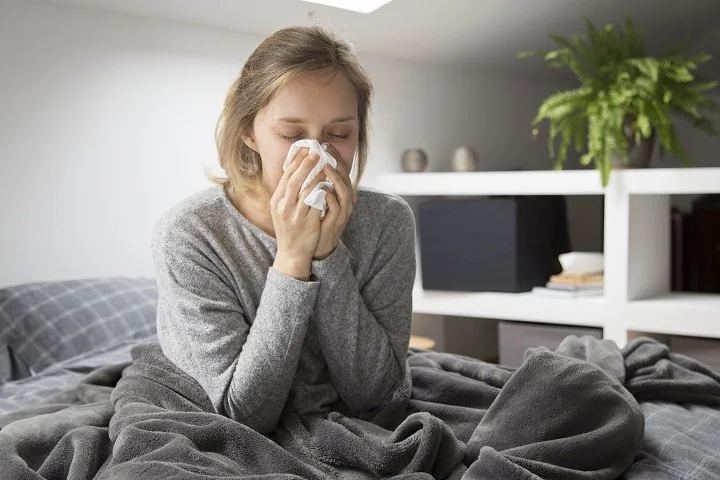
Who Is Most at Risk from Poor Air Filtration?
While anyone can be affected by indoor air pollution, certain groups are especially vulnerable to the effects of clogged filters and respiratory symptoms:
- Children and infants, whose lungs are still developing
- Older adults, who may have weaker immune systems
- Individuals with asthma, allergies, or chronic respiratory conditions
- People with compromised immune systems
- Pet owners, due to increased dander and hair in the environment
If you fall into any of these categories, it’s especially important to maintain a regular filter replacement schedule and monitor your home for signs of poor air quality. For more on how air cleanliness can affect your loved ones, see the article on how dirty ducts affect family health.
FAQ: Dirty Filters and Respiratory Health
How often should I replace my air filters to avoid breathing issues?
Most experts recommend checking your filters every month and replacing them at least every 2–3 months. Households with pets, smokers, or allergy sufferers may need to replace filters more frequently.
Can dirty filters cause long-term health problems?
Prolonged exposure to airborne contaminants from neglected filters can worsen chronic respiratory conditions and may contribute to new allergies or sensitivities. Keeping filters clean is a simple way to reduce these risks.
Are there specific filters that help with allergies and asthma?
Yes, HEPA and electrostatic filters are designed to capture smaller particles, including pollen, dust mites, and pet dander. These are especially helpful for people with allergies or asthma.
What are other signs that my indoor air quality is poor?
Besides breathing difficulties, look for visible dust buildup, lingering odors, increased static electricity, and frequent illness among household members.
Conclusion: Take Action for Healthier Breathing
Maintaining clean air filters is a straightforward yet powerful way to protect your respiratory health and improve overall comfort at home. By staying alert to the signs of poor filtration, replacing filters regularly, and choosing high-quality products, you can significantly reduce the risk of breathing problems linked to indoor air pollution. For more information on the broader topic of indoor air quality, consult trusted resources like the NHS guide to indoor air pollution.