Indoor air quality is a crucial factor in maintaining a healthy living environment. Many people experience unexplained sneezing, coughing, or itchy eyes at home, and often overlook a common source: their HVAC system. When dust, mold, pollen, or pet dander accumulate in ductwork, the air circulated through vents can trigger or worsen allergic reactions. Understanding the connection between your ventilation system and allergy symptoms is the first step toward relief.
If you or your family members notice increased respiratory discomfort, especially when the heating or cooling system is running, it may be time to investigate your air vents. This article explores how allergens build up in ductwork, the warning signs to watch for, and practical steps you can take to reduce exposure and breathe easier indoors.
For more information on identifying unhealthy indoor air, see this guide to signs of poor indoor air quality.
Common Signs That Air Vents Are Causing Allergies
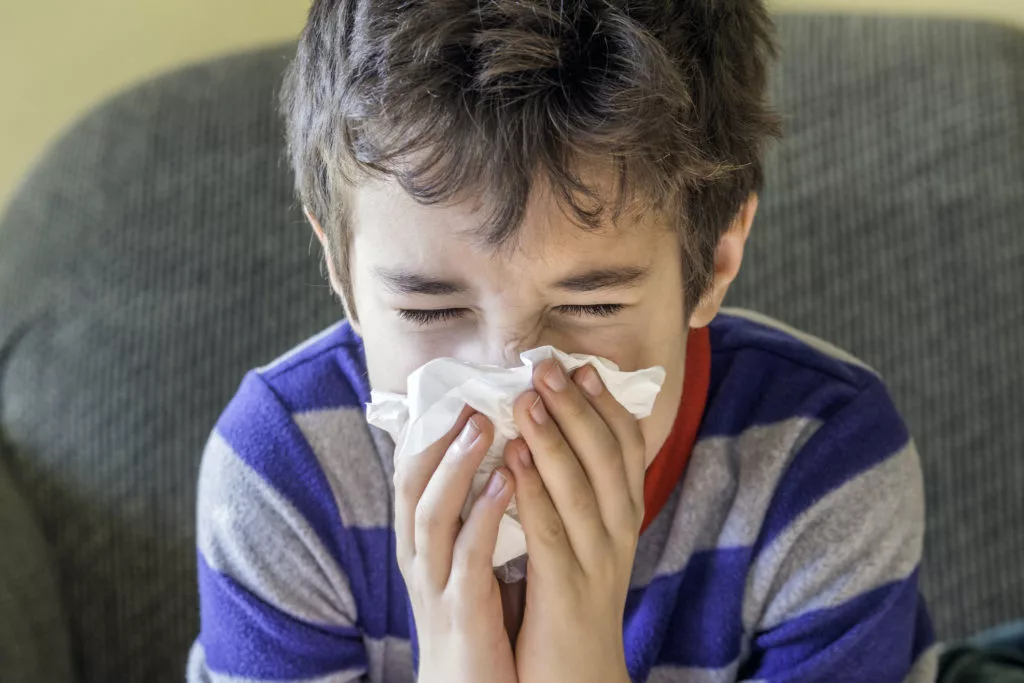
Recognizing the symptoms associated with allergies from air vents can help you address the problem before it worsens. While some reactions may seem mild, persistent exposure to airborne irritants can lead to chronic discomfort or even respiratory issues.
- Frequent sneezing or coughing when the HVAC system is running
- Itchy or watery eyes indoors, especially near vents
- Runny or stuffy nose that improves when away from home
- Worsening asthma symptoms or shortness of breath
- Unusual odors coming from vents, indicating mold or mildew
- Visible dust buildup around vent covers or on furniture
- Fatigue or headaches that coincide with HVAC use
These symptoms often overlap with seasonal allergies, but if they persist year-round or intensify indoors, your ductwork may be the culprit.
How Air Vents Become a Source of Allergens
Air ducts are designed to circulate conditioned air throughout your home. Over time, however, they can collect a variety of particles that trigger vent-related allergies. Understanding what accumulates in these systems can help you take targeted action.
- Dust and Dust Mites: These microscopic pests thrive in dusty environments and are a leading cause of indoor allergies.
- Mold and Mildew: Moisture in ductwork creates an ideal environment for mold spores, which can be distributed throughout your home.
- Pollen: Outdoor allergens can enter through open windows or doors and become trapped in the HVAC system.
- Pet Dander: Even homes without pets can accumulate animal dander from previous occupants or visitors.
- Bacteria and Viruses: Poorly maintained systems may harbor pathogens that contribute to respiratory symptoms.
Regular maintenance and filtration are essential to prevent these contaminants from circulating indoors.
Effective Solutions for Reducing Allergens from Air Vents
Taking proactive steps can significantly reduce the presence of allergens in your home’s ventilation system. Here are some proven strategies to help you breathe easier:
Upgrade Your Air Filters
Standard HVAC filters often fail to capture fine particles like pollen or mold spores. Consider replacing them with HEPA (High-Efficiency Particulate Air) filters or electrostatic filters, which are designed to trap much smaller contaminants. Change or clean filters according to manufacturer recommendations, typically every 1–3 months.
Schedule Regular Duct Cleaning
Professional duct cleaning removes built-up dust, debris, and mold from your system. While not always necessary annually, it can be especially helpful if you notice visible mold, excessive dust, or persistent allergy symptoms.
Control Humidity Levels
Mold and dust mites thrive in humid environments. Use a dehumidifier to keep indoor humidity between 30–50%. This not only discourages allergen growth but also improves overall comfort.
Seal and Maintain Ductwork
Leaky ducts can draw in dust and contaminants from attics or crawlspaces. Have your ductwork inspected for leaks and seal any gaps to prevent unfiltered air from entering the system.
Use Anti-Mold Treatments
If mold is a recurring issue, apply an anti-mold HVAC spray to affected areas after cleaning. This can help inhibit future growth and reduce the spread of spores.

Prevention Tips for Cleaner Indoor Air
Preventing allergies from air vents is easier than dealing with symptoms after they appear. Incorporate these habits into your routine to maintain a healthier home:
- Vacuum and dust regularly, especially near vents and registers
- Keep windows and doors closed during high pollen seasons
- Bathe pets frequently and keep them out of bedrooms
- Use an air purifier with a HEPA filter in common areas
- Inspect and clean vent covers every few months
- Address water leaks or condensation promptly to prevent mold
Consistency is key—small steps add up to a significant improvement in air quality and comfort.
Frequently Asked Questions
Can air vents really cause allergies?
Yes, air vents can distribute dust, mold spores, pollen, and other irritants throughout your home. If your HVAC system is not properly maintained, these particles can trigger allergic reactions or worsen existing symptoms.
How often should I change my HVAC filter to reduce allergens?
For optimal air quality, replace or clean your HVAC filter every 1–3 months, depending on the type of filter and your household’s needs. Homes with pets, smokers, or allergy sufferers may require more frequent changes.
Is professional duct cleaning necessary for everyone?
Not every home needs annual duct cleaning, but it is recommended if you notice visible mold, excessive dust, or persistent allergy symptoms that do not improve with other interventions. Consult a reputable HVAC professional for an assessment.