The quality of the air we breathe plays a significant role in our overall health, particularly when it comes to the respiratory system. Airborne pollutants and respiratory disease are closely linked, with contaminants such as dust, pollen, mold spores, pet dander, and chemical fumes contributing to a range of breathing issues. Understanding the sources, effects, and prevention strategies for these pollutants can help reduce the risk of respiratory illnesses and improve indoor air quality for everyone.
Many people are unaware of how everyday activities and household environments can expose them to harmful particles. From outdoor smog drifting indoors to hidden mold in air ducts, the threats are often invisible but impactful. Addressing these issues is crucial, especially for individuals with asthma, allergies, or other chronic lung conditions. For those seeking targeted solutions, learning about duct cleaning for allergy relief can be a practical step toward minimizing exposure.
Understanding Common Airborne Contaminants
The air inside homes and workplaces can contain a surprising mix of pollutants. Some of the most prevalent include:
- Particulate matter: Tiny particles from dust, smoke, and vehicle emissions that can penetrate deep into the lungs.
- Biological agents: Mold spores, bacteria, and viruses that thrive in damp or poorly ventilated spaces.
- Allergens: Pet dander, pollen, and dust mites, which can trigger allergic reactions and worsen asthma.
- Volatile organic compounds (VOCs): Chemicals released from cleaning products, paints, and furnishings.
Exposure to these substances can lead to both short-term symptoms—such as coughing, sneezing, and throat irritation—and long-term health problems, including the development or worsening of chronic respiratory diseases.
How Airborne Pollutants Affect Respiratory Health
Inhalation of contaminated air can have immediate and cumulative effects on the lungs and airways. The risk is especially high for vulnerable groups such as children, the elderly, and those with pre-existing respiratory conditions. Some of the ways pollutants impact respiratory health include:
- Inflammation of the airways, leading to increased mucus production and difficulty breathing.
- Aggravation of asthma and allergy symptoms, including wheezing and chest tightness.
- Increased susceptibility to respiratory infections due to weakened immune defenses.
- Potential development of chronic illnesses like chronic obstructive pulmonary disease (COPD) and even lung cancer with prolonged exposure.
For a deeper look at how specific contaminants, such as mold, can impact lung function, see the article on the impact of mold on respiratory system.

Recognizing the Signs of Poor Indoor Air Quality
Identifying when indoor air quality is compromised is not always straightforward. However, certain indicators can signal the presence of harmful airborne substances:
- Frequent coughing, sneezing, or throat irritation among household members.
- Worsening of asthma or allergy symptoms indoors.
- Musty odors, which may indicate hidden mold growth.
- Visible dust buildup on surfaces and vents.
- Unexplained headaches or fatigue.
For more information on these warning signs, refer to this comprehensive guide to signs of poor indoor air quality.
Prevention Strategies for Reducing Respiratory Risks
Taking proactive steps can significantly lower the risk of developing or worsening respiratory problems due to indoor pollutants. Here are some practical measures:
- Improve ventilation: Regularly open windows and use exhaust fans to increase air exchange. For more detailed advice, see the article on home ventilation and respiratory wellness.
- Use high-efficiency filters: Install HEPA or electrostatic filters in HVAC systems to capture fine particles and allergens.
- Control humidity: Keep indoor humidity between 30–50% to prevent mold growth and dust mite proliferation.
- Clean regularly: Dust and vacuum with HEPA-filtered equipment, and wash bedding and curtains often.
- Minimize chemical use: Opt for natural or low-VOC cleaning products and avoid indoor smoking.
- Maintain HVAC systems: Schedule routine inspections and cleaning to prevent buildup of contaminants in ducts and vents.
Addressing dust is especially important. For actionable tips, review the resource on dust accumulation and breathing issues.
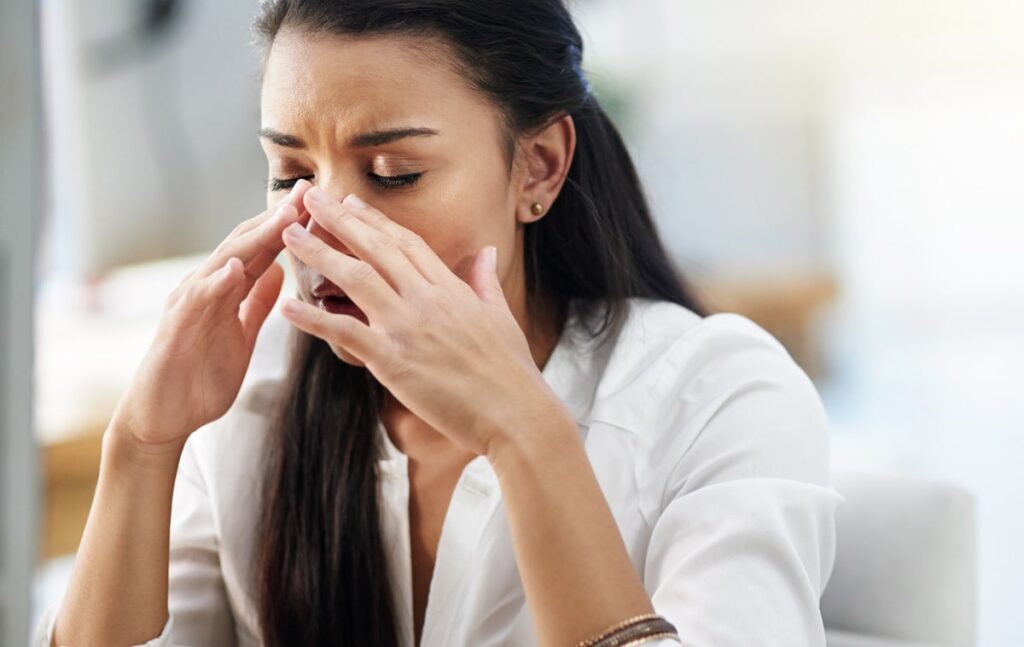
Managing Allergies and Asthma Triggered by Indoor Air
For those with allergies or asthma, minimizing exposure to indoor pollutants is essential. Here are some targeted strategies:
- Keep pets out of bedrooms and off furniture to reduce dander.
- Use allergen-proof covers on pillows and mattresses.
- Wash bedding in hot water weekly to eliminate dust mites.
- Monitor pollen forecasts and keep windows closed during high pollen seasons.
- Consider portable air purifiers for bedrooms and living spaces.
If symptoms persist despite these efforts, consult a healthcare professional for personalized advice and consider professional cleaning services for your HVAC system. For more on how ductwork can influence symptoms, see the article on air ducts and allergy symptoms.
Frequently Asked Questions
What are the main sources of airborne pollutants indoors?
Common sources include dust, pet dander, mold, tobacco smoke, cooking fumes, cleaning chemicals, and outdoor pollutants that enter through windows and doors. Poorly maintained HVAC systems and damp environments can also contribute to higher levels of contaminants.
How can I tell if my home has poor air quality?
Signs of poor air quality may include persistent coughing, sneezing, headaches, fatigue, musty odors, and visible dust or mold. If multiple household members experience these symptoms, it’s a good idea to investigate further and consider air quality testing.
What steps can I take to reduce respiratory risks from indoor air?
Improving ventilation, using high-quality air filters, controlling humidity, cleaning regularly, and minimizing the use of harsh chemicals are effective strategies. Investing in a HEPA air purifier or electrostatic filter can also help capture airborne particles and allergens.