Many people experience sneezing, coughing, or itchy eyes indoors and wonder about the causes. One often-overlooked factor is the condition of your home’s air ducts. The link between air ducts and allergy symptoms is significant, especially for those sensitive to dust, pollen, pet dander, or mold. Understanding how your ventilation system can impact your health is the first step toward creating a cleaner, more comfortable living environment.
Indoor air quality is shaped by several factors, but the cleanliness of your ductwork plays a crucial role. If you or your family members notice persistent allergy issues at home, your HVAC system could be circulating irritants that trigger or worsen symptoms. This article breaks down how ductwork can contribute to allergies, what signs to watch for, and practical steps you can take to improve your indoor air.
For more insights into how your home’s ventilation affects well-being, see air circulation and lung health for practical tips on maintaining cleaner air.
Why Ductwork Matters for Allergy Sufferers
Your HVAC system is designed to move air throughout your home, but it can also distribute airborne particles. Over time, dust, pollen, pet hair, and even mold spores can accumulate inside the ductwork. When the system runs, these particles are pushed into every room, potentially aggravating allergies and respiratory conditions.
If your ducts are not regularly cleaned or maintained, they may become a reservoir for allergens. This is especially true in homes with pets, recent renovations, or high humidity, which can all contribute to increased debris and microbial growth inside the system.
Common Allergens Found in Ventilation Systems
Several types of allergens can lurk in ductwork, each with its own impact on sensitive individuals. Here are some of the most common:
- Dust mites: Tiny insects that thrive in dust and can trigger sneezing, runny nose, and itchy eyes.
- Pollen: Outdoor particles that easily enter homes and settle in ducts, especially during spring and fall.
- Pet dander: Microscopic skin flakes from cats, dogs, or other animals that can cause reactions even in homes without current pets.
- Mold spores: Fungi that grow in damp environments and can lead to both allergic and respiratory symptoms.
- Bacteria and viruses: Some microorganisms can survive in duct dust, potentially contributing to illness.
For a deeper look at the risks associated with microbial growth, visit mold spores in HVAC ducts to understand how mold can affect respiratory health.

How Dirty Ducts Can Trigger Allergy Symptoms
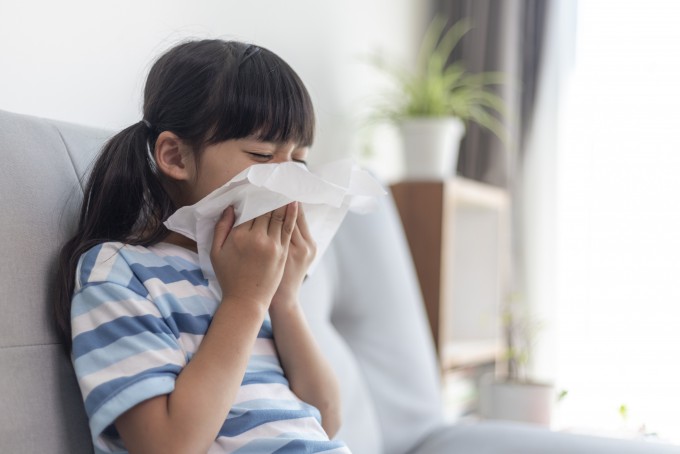
When allergens build up in your ductwork, every cycle of your HVAC system can send these particles into the air you breathe. This can lead to a range of symptoms, including:
- Frequent sneezing or coughing indoors
- Watery or itchy eyes
- Runny or stuffy nose
- Worsening asthma or breathing difficulties
- Fatigue or headaches, especially after spending time at home
If you notice that your symptoms improve when you leave home or worsen when the air conditioning or heating is running, your ductwork may be contributing to the problem. For those with asthma, the impact can be even greater. Learn more about managing respiratory symptoms in relation to your HVAC system at air duct cleaning and asthma.
Signs Your Ducts May Be Affecting Your Health
Not sure if your ductwork is the culprit? Here are some telltale signs:
- Visible dust buildup around vents or registers
- Musty or unpleasant odors when the system runs
- Recent water leaks or high humidity in the home
- Increased allergy symptoms with no clear outdoor trigger
- Unexplained dust accumulation on furniture despite regular cleaning
If you suspect your indoor air quality is poor, you can find practical advice on identifying and addressing the issue in this guide to recognizing bad home air quality.
Improving Indoor Air Quality and Reducing Allergens
Addressing the connection between ductwork and allergy symptoms involves a combination of cleaning, maintenance, and prevention. Here are practical steps you can take:
- Schedule professional duct cleaning: Experts can remove accumulated dust, dander, and mold from your system, reducing the number of allergens circulated in your home.
- Change filters regularly: Use high-efficiency filters (such as HEPA or electrostatic types) and replace them according to manufacturer guidelines.
- Control humidity: Keep indoor humidity below 50% to discourage mold and dust mite growth.
- Seal leaks and insulate: Prevent dust and moisture from entering ducts by sealing any gaps and insulating where needed.
- Clean vents and registers: Wipe down vent covers and vacuum around them to minimize dust buildup.
- Consider air purifiers: Standalone HEPA purifiers can further reduce airborne particles in bedrooms and living spaces.
For those concerned about bacteria or other contaminants, you may also want to learn about whether vents can spread bacteria and what steps can minimize these risks.
When to Seek Professional Help
While regular filter changes and cleaning can go a long way, there are times when professional intervention is necessary. If you notice persistent musty odors, visible mold, or if allergy symptoms remain severe despite your efforts, a certified HVAC technician can inspect and clean your system thoroughly. They can also recommend upgrades or repairs to improve efficiency and air quality.
Homeowners with a history of water damage, pest infestations, or ongoing respiratory issues should consider a full inspection. In some cases, duct replacement or advanced filtration systems may be recommended for long-term relief.
FAQ: Ducts and Allergies
How often should air ducts be cleaned to help with allergies?
Most experts recommend having your ducts professionally cleaned every 3 to 5 years, or more often if you have pets, recent renovations, or ongoing allergy issues. Regular filter changes and maintenance can help extend the time between deep cleanings.
Can dirty ducts cause health problems besides allergies?
Yes, in addition to triggering allergy symptoms, dirty ductwork can contribute to respiratory problems, worsen asthma, and even promote the spread of bacteria or mold. Maintaining clean ducts supports overall indoor air quality and health.
Are there signs that my allergies are related to my HVAC system?
If your symptoms worsen when the heating or cooling system is running, or you notice dust, odors, or visible mold around vents, your ductwork may be a factor. Improvements after cleaning or filter changes are also a strong indicator.
What type of filter is best for allergy sufferers?
High-efficiency particulate air (HEPA) filters and electrostatic filters are both effective at trapping allergens. Choose a filter rated for your HVAC system and replace it regularly for best results.
Understanding the relationship between your home’s ductwork and allergy symptoms can help you take control of your indoor environment. With regular maintenance and the right preventive steps, you can reduce allergens and breathe easier year-round.
For more information on related topics, explore breathing dust from vents to learn about symptoms and solutions for dust exposure indoors.